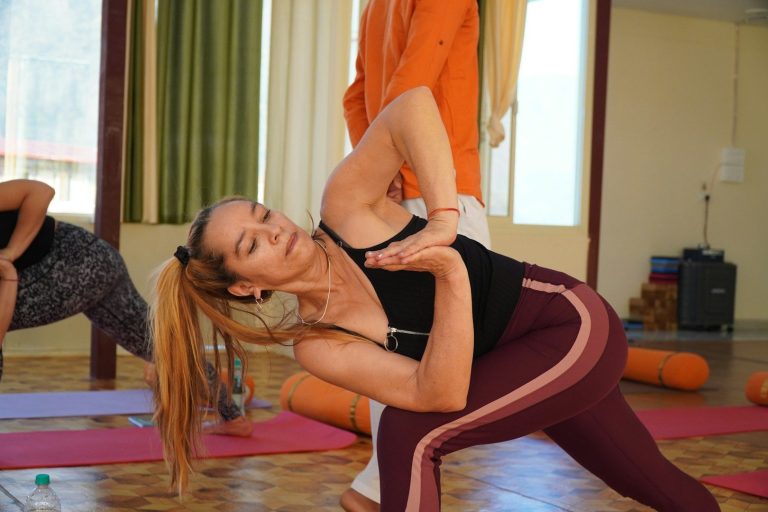
Getting Started With Yoga: A Simple Introduction.
By Sarah Hartley, 4 July 2025.
I have been practicing yoga for many years now and have found it to be a gentle, powerful practice for the body, mind, and soul. As a mother and wife with a career I have found it helps a great deal with stress relief and to create a spiritual connection. You don’t need to be perfect or experienced. You just need to begin. In this brief article and guide I will look at the history of yoga, what it is, the benefits of yoga and some tips to get you started.
A Brief History of Yoga
Yoga began in ancient India over 5,000 years ago. It first appeared in sacred texts called the Vedas and later evolved into a spiritual and philosophical practice. In the early centuries, the sage Patanjali compiled the Yoga Sutras, which outlined a system of physical, mental, and spiritual practices. Over time, yoga developed into different paths, including the physical form we often practice today. In the late 19th and early 20th centuries, yoga was introduced to the West and gradually became popular worldwide.
What Is Yoga?
Yoga is more than just physical exercise. It’s a holistic practice that connects the body, breath, and mind. It typically involves:
- Physical postures (asanas) to strengthen and stretch the body
- Breathing techniques (pranayama) to calm the nervous system
- Mindfulness and meditation to increase awareness and presence
Yoga encourages balance, peace, and self-awareness. You don’t need to be flexible or experienced to begin—yoga is for everyone.
The Spiritual Benefits of Yoga
Yoga is often described as nourishment for the soul. While it offers many physical benefits, its deeper value lies in its ability to:
- Promote inner calm and stillness
- Deepen self-awareness
- Encourage compassion, for yourself and others
- Create a sense of connection to something greater
- Support emotional healing and personal growth
Through mindful movement and breath, yoga helps quiet the mind and open the heart. It gives space to slow down, listen inwardly, and feel grounded in the present moment.
Tips for Beginners
- Go at your own pace—there’s no rush or pressure to “do it right.”
- Breathe deeply and stay aware of how your body feels.
- Use props (like cushions or blocks) if needed for comfort.
- Don’t worry about flexibility. Yoga meets you where you are.
- Be kind to yourself—each practice is an act of self-care.
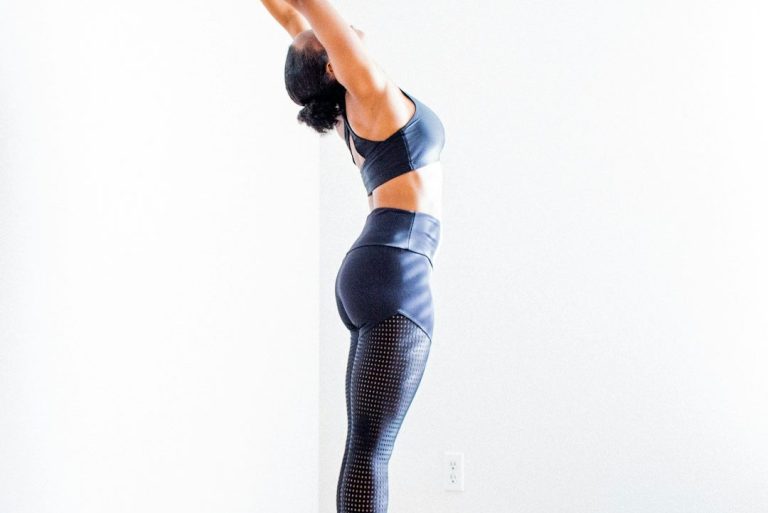
1. The Mountain Pose (Tadasana)
Stand tall, feet together, arms at your sides. Breathe deeply and feel your body grounded and steady. You can then move your arms up slowly.
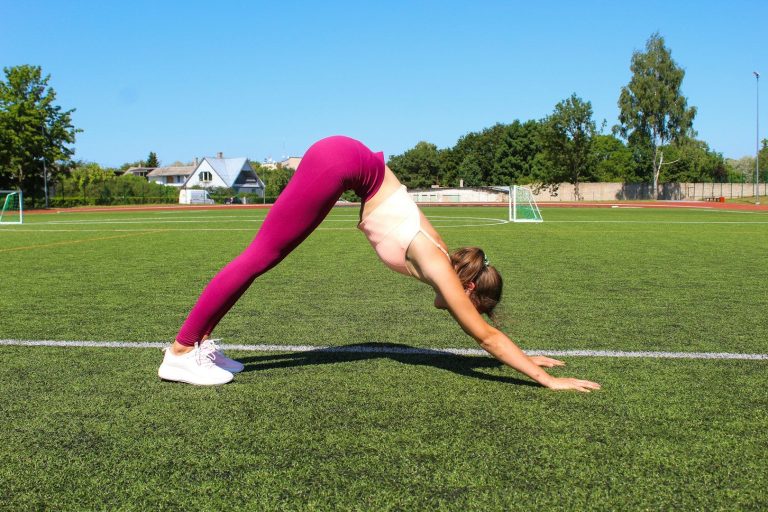
2.Downward-Facing Dog
From your hands and knees, lift your hips to form an upside-down V shape. This stretches the back, legs, and shoulders.
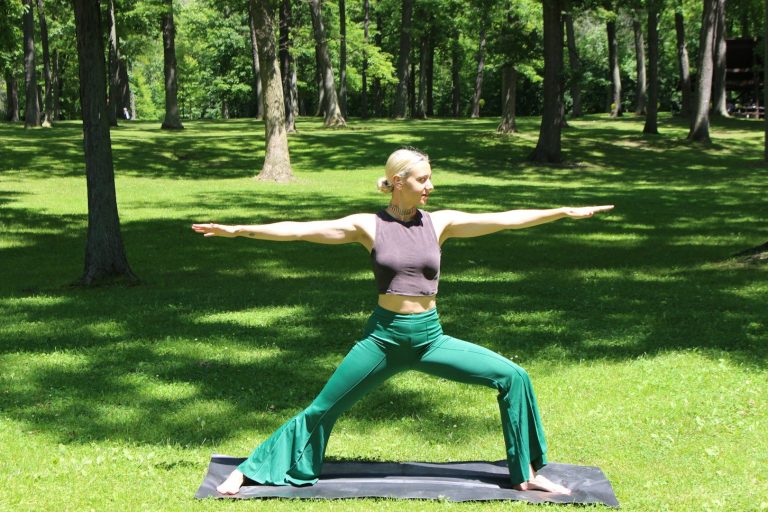
3.Warrior I
Step one foot forward into a lunge, arms reaching overhead. This builds strength, focus, and stability.
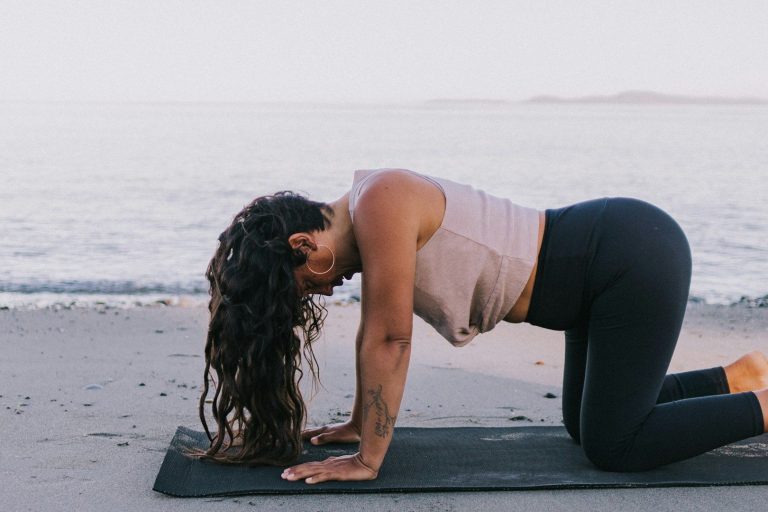
4.Cat–Cow Stretch
On hands and knees, alternate arching and rounding your back. This gently warms up the spine and connects movement to breath.
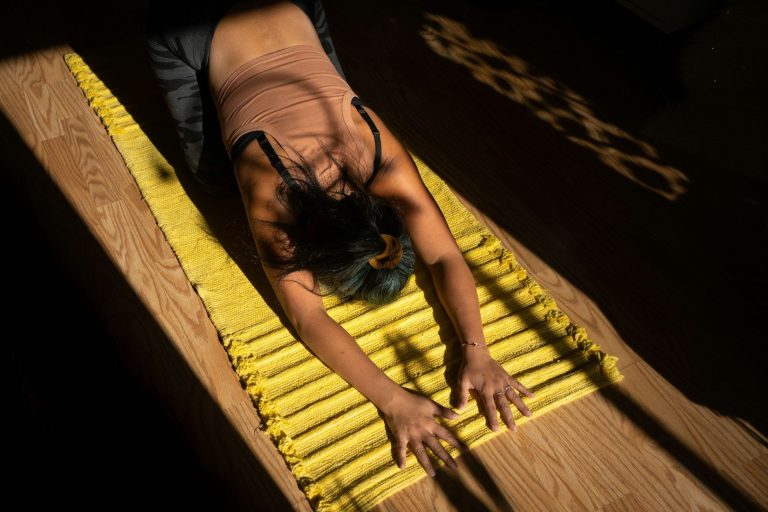
5.Child’s Pose
Sit back on your heels and fold forward with your arms outstretched. A restful pose that offers relaxation and release.
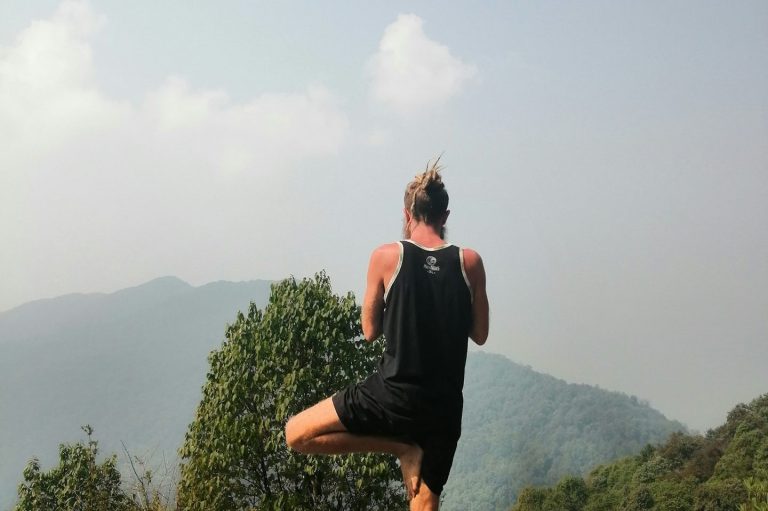
6. Tree Pose
Stand on one foot and place the other foot on your ankle, calf, or thigh. Hands together at your heart. This improves balance and concentration. If you feel comfortable try moving your hands up above your head.

8. Corpse Pose (Savasana)
My cat is does this pose all the time! Simply lie on your back with arms and legs extended. Close your eyes and focus on your breath. This is a deeply relaxing way to end a practice.
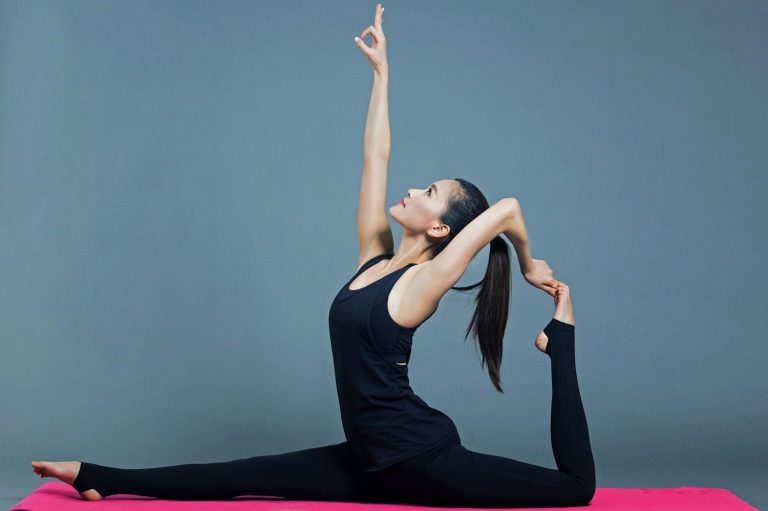
9. Five Step Beginner Routine
1. Start with 2 minutes of mindful breathing in a seated position.
2. Move into Cat–Cow stretches for 1 minute.
3. Flow through Mountain, Warrior I, and Downward-Facing
Dog. Hold each for a few breaths.
4. Rest in Child’s Pose for 1 minute.
5. Finish lying down in Savasana for 2–3 minutes.