Toilet Brush 101: More than a Stick with Bristles.
By Alex Bradley, 5 June 2025.
Ahh, the great British toilet! the problem is it won't clean itself so a toilet brush is required. A toilet brush may not be the most glamorous household item, but it’s a crucial bit of kit for keeping your bathroom clean and hygienic. As such, when purchasing a toilet brush, you might not give it much thought and settle for any old stick with bristles— but choosing the right one can make a big difference in terms of hygiene, ease of cleaning, and how long it lasts so I've created a bitesize bog stick guide for you to use before you buy.
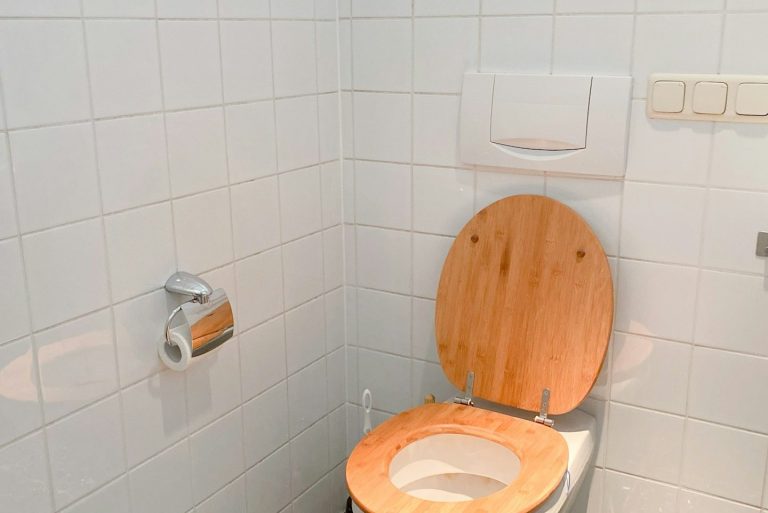
1. What is the brush made of?
No two toilet brushes are the same, the first thing to consider is what material is the brush. There are Bristle brushes (usually nylon) that help with strong scrubbing but can wear out and trap germs or even scratch the bowl of the toilet. Alternatively, Silicone brushes are more hygienic, quick-drying, and easier to clean.
Top tip: Avoid very soft brushes if you want to get a good thorough clean out of your brush.
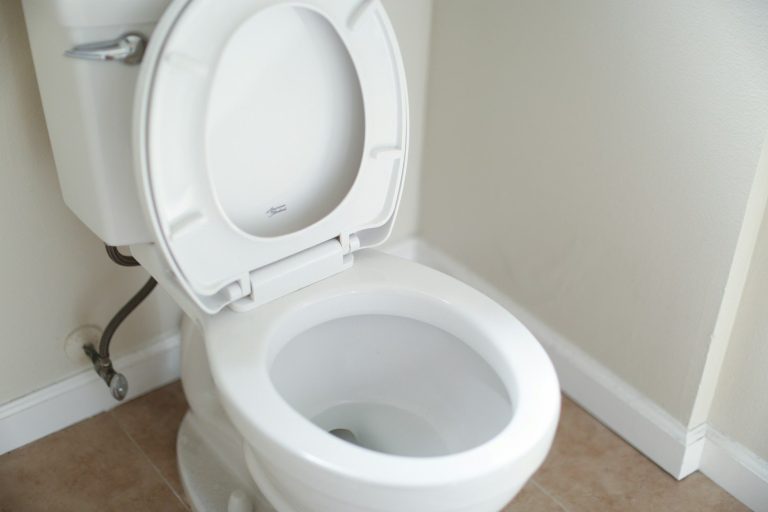
2. The Handle
Consider what the handle is made out of and the design; especially important if you're elderly or disabled. Look for a strong, firm handle that won't slip and disappear down the toilet. The length of the handle should be sufficient for you to reach all the areas of the bowl comfortably.
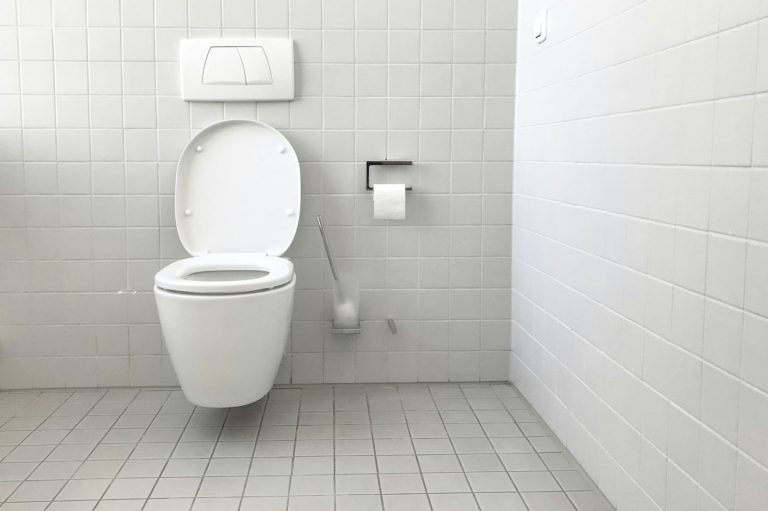
3. The toilet brush holder
These bog brushes come with toilet brush holders or some sort of receptacle for you to store the thing when not in use. Consider the following:
- A closed holder conceals the brush and helps reduce smells.
- A ventilated or open design allows airflow for faster drying.
- Some holders come with drip trays or removable bases for easy cleaning.
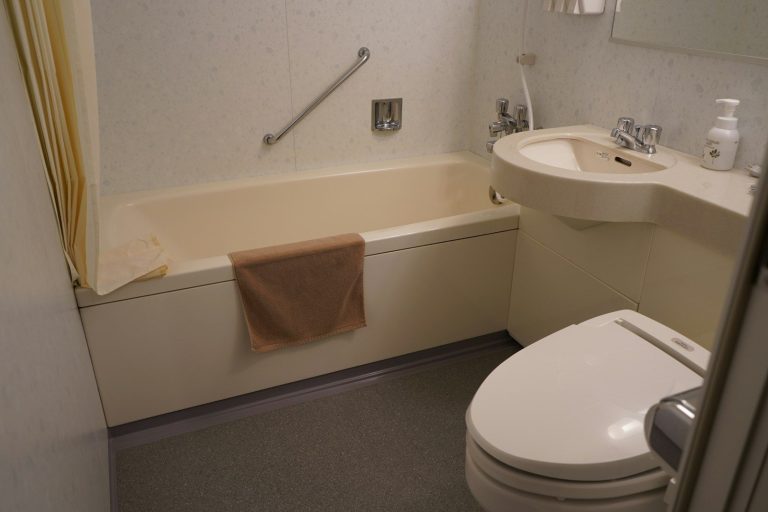
4. Space & Size
Consider the size of your toilet brush, this is especially important when space is at a premium. For example, in smaller bathrooms where clutter can quickly build up. If this is the case look at wall mounted or compact types of toilet brush that can save on space.

5. Hygiene
If you're anything like my wife you won't like toilet brushes as she thinks they are very unhygienic - which is why I'm in charge of the toilet cleaning. If hygiene is a concern consider silicone as it is typically antibacterial and staining is less common. Also, some models come with replacement heads so you can replace these without throwing out the old for the new. Finally, stainless steel or gloss plastic are more hygienic.

6. Value
A cheap bush might not last more than a few months and will need to be thrown out. If you pay a bit more and get a good quality brush with decent materials that can withstand regular use and cleaning chemicals it may be better value in the long run.
- Budget brushes start around £3–£5, but may wear out quickly.
- Mid-range (£10–£20) often includes better materials and design.
- Premium models (£20+) may offer improved hygiene and stylish finishes.
7. Style
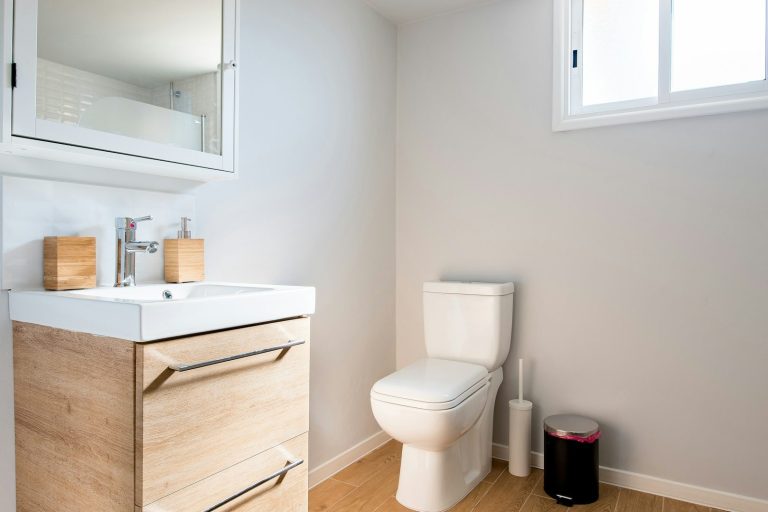
Consider the style and appearance of the brush in your bathroom, if you want your bathroom to look neat, choose a brush that matches your bathroom surroundings. There are loads of choices, from modern, minimalist, traditional, or luxury styles.

8. The environment
If you're concerned about the environment consider the material that the brush is made from and assess its impact on the environment when thrown away. Some brushes are made from recycled materials or feature biodegradable heads. Also, Brushes with reusable holders and replaceable heads reduce waste over time.