6 plants to get growing in June
By Nigel Ashworth, 2nd June 2025
Discover six plants to get growing in June, we look at what you can plant in June in the garden, window box or on the allotment plot.
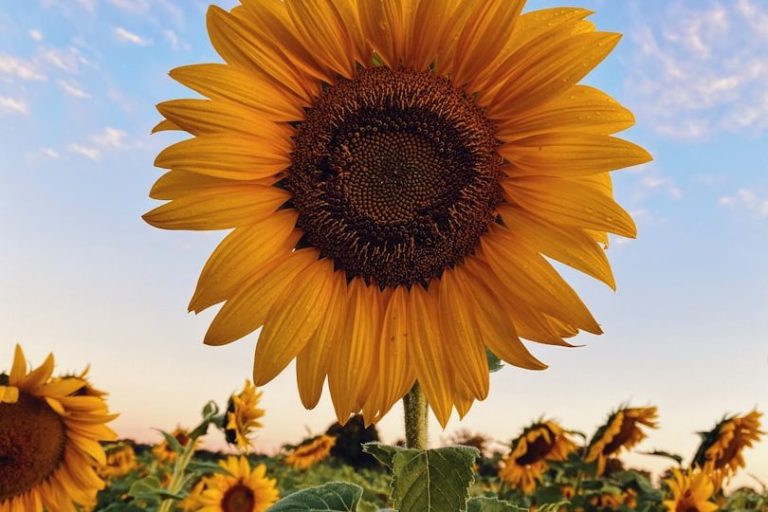
1. Sunflower.
With the soil warming up in June why not add a bit of colour and cheer to the garden by planting some sunflower seeds. You could even have some fun with friends and family by popping your name on the pots to see which one grows the biggest!
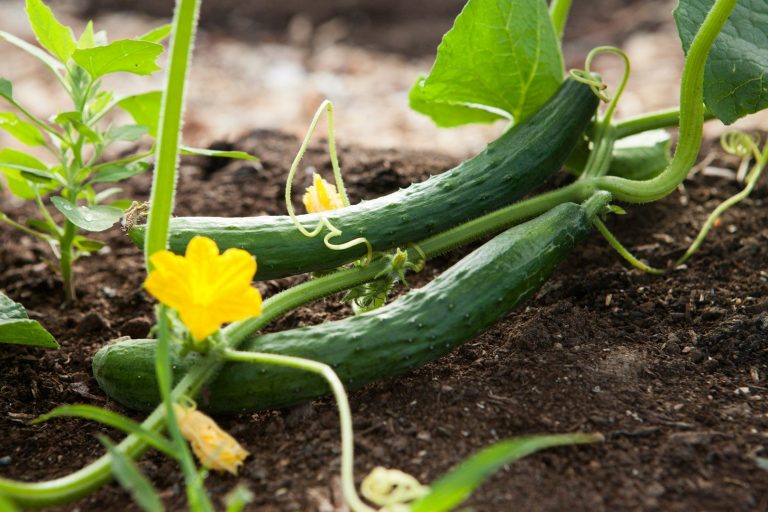
2. Cucumbers.
If you're sowing cukes, June is perfect, just get some seeds and sow them on their sides (horizontally). Just remember to buy an outdoor variety like Cucumis Sativus 'Lili', sow around 1.5 cm deep and provided adequate protection from pesky snails and slugs. If all goes well, you should be able to harvest between July and October.
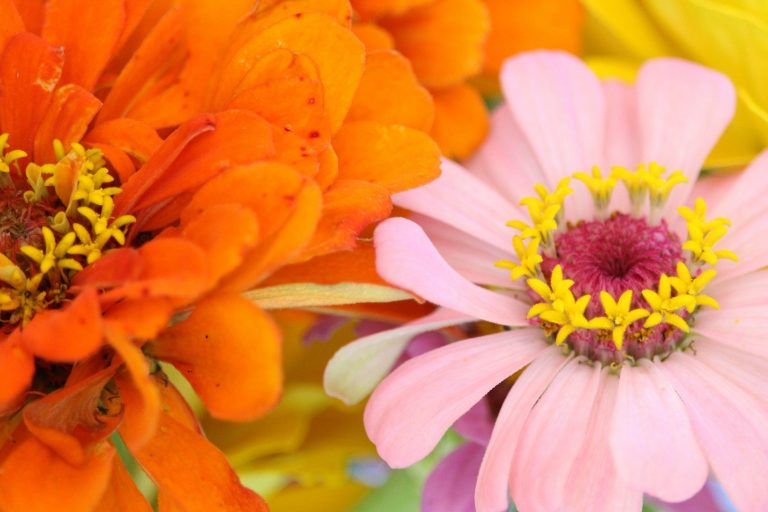
3. Zinnias
With the nights getting warmer in June it's a great time to get some zing out of your Zinnias! get these beauties out in June into some well drained, fertile soil in a sunny spot and they should be quite happy. However, if there are too many slugs and snails marauding around they may do better in pots. Just make sure you get a suitable mixed variety that can thrive in pots.
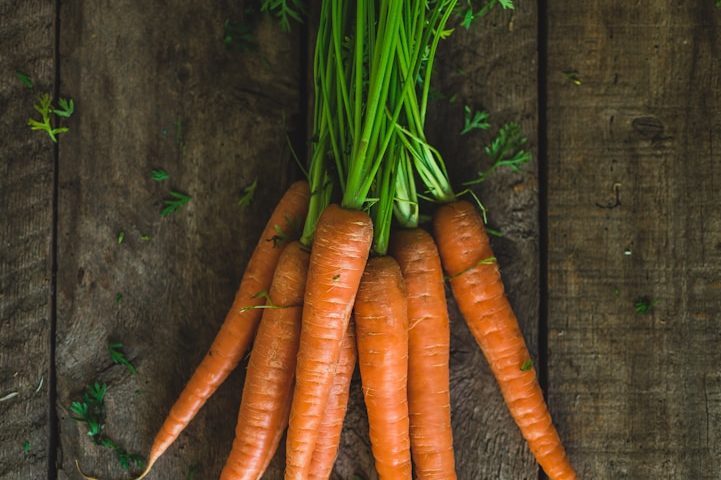
4. Carrots
Ideally, carrots should be sown directly in the ground and June is a good time for main season varieties, details of which can be found on the seed packet. The ground should be raked to a fine tilth and the seeds put into a shallow drill of about 1cm or 1/2 an inch deep. Try to protect from slugs and snails. Also, try to protect from the dreaded carrot fly with mesh or check seed packet as could be a resistant variety. Alternatively, planting near marigolds may deter the flies.
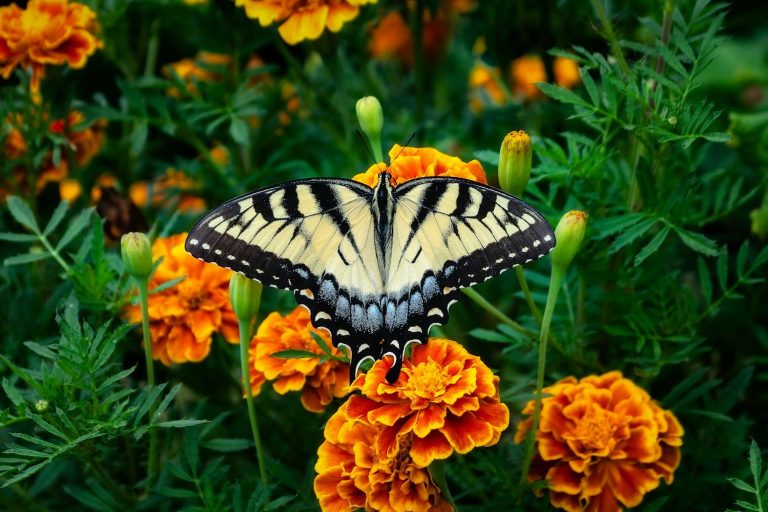
5. Marigolds.
Marigolds are good to go in June, ensure the soil is weed free, fertile and well drained and you can plant Marigolds approximately 30cm apart (12 inches). Remember, marigolds are an excellent companion plant so planting next to tomatoes, cucumbers and lettuce can help ward off pesky pests.
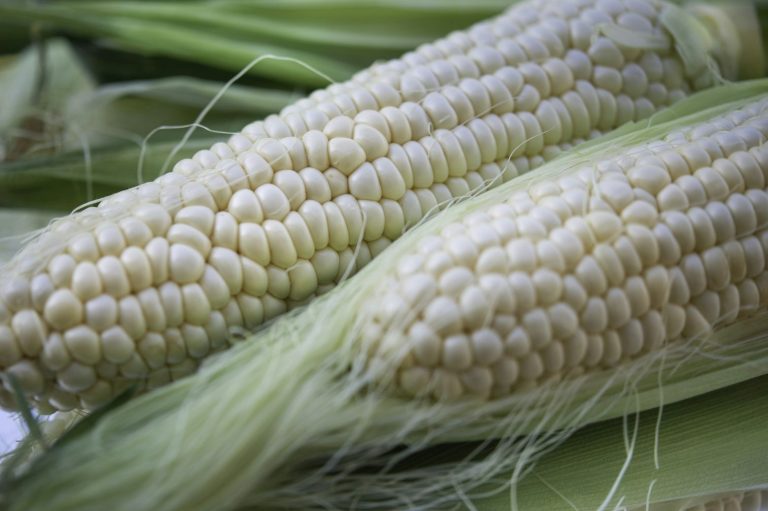
6. Sweetcorn.
Satisfying sweetcorn should be ready for going outside in June if started earlier in the year or even for sowing. Plant sweetcorn in a block approximately 45cm apart in a sunny, sheltered area. If growing courgettes these two make great bedfellows and should be planted next to eachother.
Fantastic Feathered Friends: How to attract birds to your garden
By Nigel Ashworth, 30th June 2025.
Bringing birds into your garden is a rewarding way to connect with nature and support local wildlife. Whether you live in the countryside, the inner city or somewhere in between, creating a bird-friendly space is easier than you might think. By following these steps, your garden can become a thriving haven for birds year-round, while offering you hours of enjoyment from your own window. Here's how to get started:
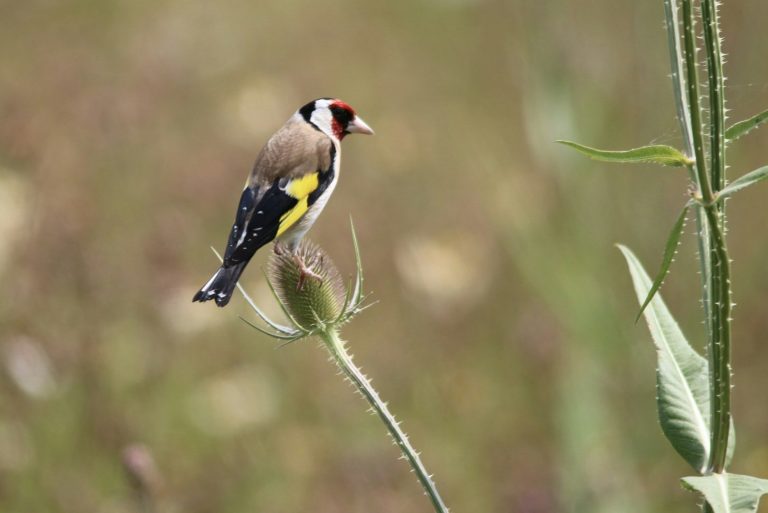
Variety is key
Different species are attracted to different types of food. By offering a mix, you’ll encourage a broader range of visitors. Some popular options include:
Sunflower seeds – loved by finches, sparrows, and tits.
Peanuts (unsalted, whole or crushed) – great for blue tits, great spotted woodpeckers, and robins.
Fat balls or suet blocks – excellent energy sources, especially in winter.
Nyjer seeds – small seeds that attract goldfinches and siskins.
Mealworms – ideal for robins and blackbirds.
Use purpose-made feeders to hold each type, and clean them regularly to prevent the spread of disease.
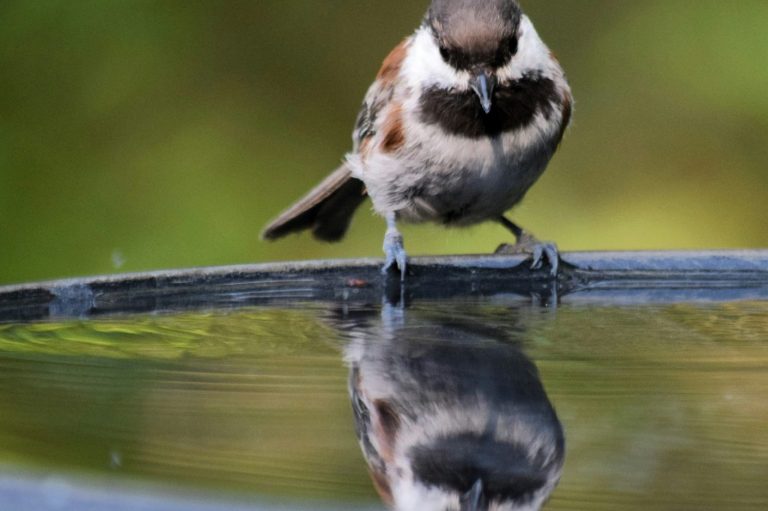
Provide clean & fresh water
Birds need water not just for drinking but also for bathing to keep their feathers in good condition. A shallow bird bath or even a dish of water will help.
In winter, break any ice that forms to keep water accessible and in the summer ensure water is kept fresh and changed regularly, especially in very hot weather.
Water is more important for birds that tend to eat lots of seeds than birds that eat insects.
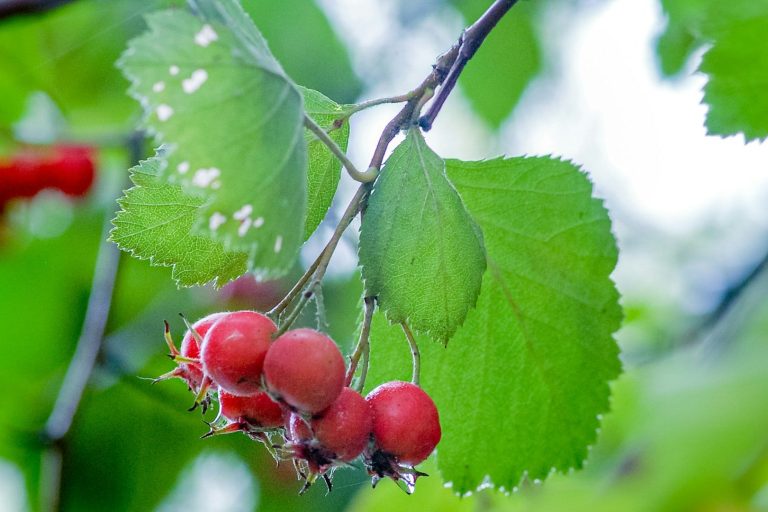
Grow Native Plants and Trees
Planting a variety of shrubs, trees, and flowers will provide birds with natural food sources and shelter. Great choices include:
Hawthorn and rowan – for berries in autumn and winter.
Sunflowers and teasels – produce seeds birds love.
Ivy and honeysuckle – attract insects and offer nesting spots.
A layered garden with trees, hedges, and ground cover gives birds safe spaces to feed, rest, and nest.
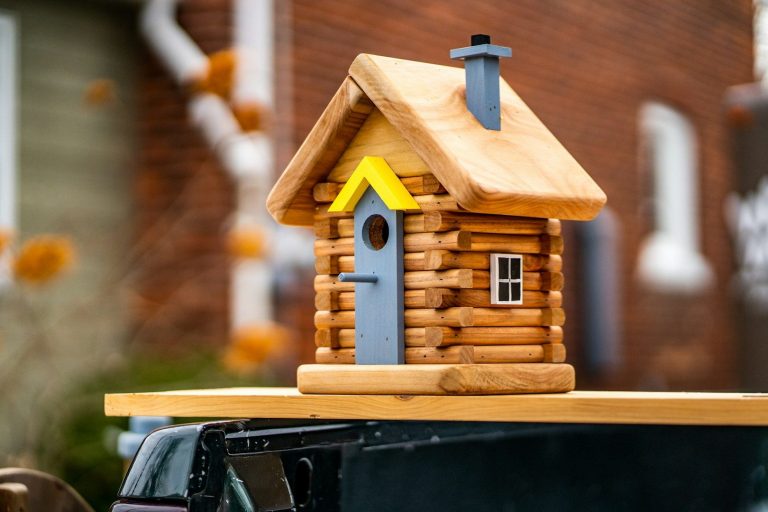
Provide Nest Boxes
You can support breeding birds by putting up nest boxes. These are especially helpful for species that struggle to find natural cavities. Use different types for different birds:
Small hole boxes for blue tits and great tits.
Open-fronted boxes for robins and wagtails.
Larger boxes for starlings or owls (in rural areas).
Place boxes out of direct sunlight, ideally facing north or east, and keep them away from feeders to avoid disturbance.
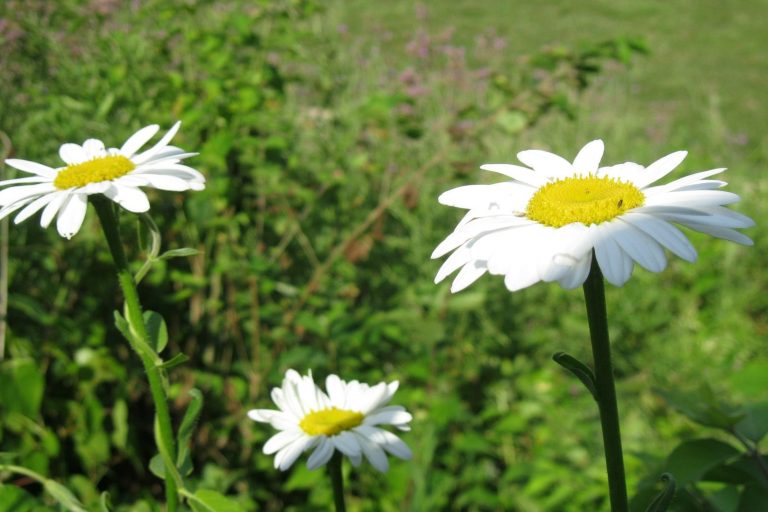
Keep it wild
Allowing part of your garden to grow wild provides a valuable habitat. Long grass, leaf litter, dead wood, and log piles all support insects, which in turn attract insect-eating birds like wrens and blackbirds.
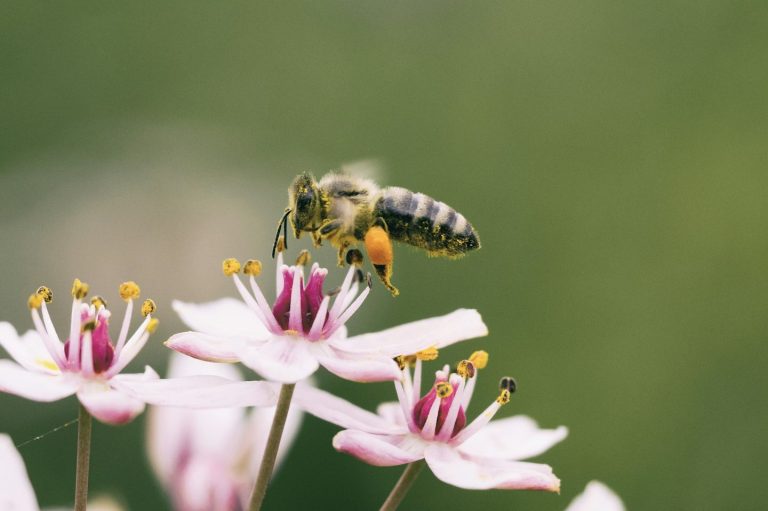
Keep it Natural
Pesticides and herbicides reduce the availability of insects and can be harmful to birds. Try natural alternatives for pest control and let nature balance itself where possible.