What is the Stock Market? A Simple Guide for New Investors.
By Brendan Coyle, 4th July 2025.
Like any other market such as farmers' markets, flea markets and fruit markets the stock market is simply somewhere where people come together to buy and sell things. However, instead of buying apples and pears you can buy and sell shares in a company, which just means a little bit of that company. If the company does well your little bit of that company (share) does well and is worth more when you come to sell it. In the U.K. the main stock market is the London Stock Exchange (LSE) where household names like Lloyds Banking Group, BP and Rolls Royce are listed.
1. How to make money from Shares
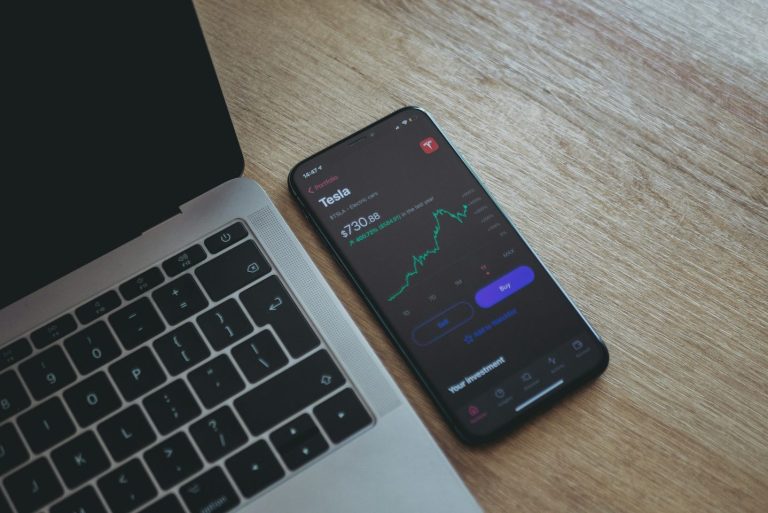
There are two main ways people make money from shares: capital growth and dividends.
1. Capital growth simply means that the value of your shares increase over time, i.e. you sell them for more than you bought them for.
2. Dividends are simply payments that a company will make to people who have bought their shares (shareholders) from their profits.
2. Why do companies sell Shares anyway?
Not all companies are 'listed' on the stock market - some companies remain privately owned and not publicly traded. Many companies choose to list their shares on the stock market to raise money or capital. With this extra capital a company may be able to grow their operations, employ more staff and become more profitable in the long term.
In exchange, if all goes well, people that have bought shares in the company benefit from any success a company has achieved in the form of capital growth or dividend payments.

3. What are the risks?
Investing in the stock market isn't without risk and you can lose some or all of your money. The share price of companies constantly goes up and down. However, broadly speaking stock markets increase over time. Therefore, a long term view and lots of patience is required if you wish to invest in the stock market.
Top Tip: Many investment platforms will offer 'demo accounts' that let you invest with virtual money. Try these before using 'real money'.

4. How to get started?
To get started investing in the stock market you first need to open an account to hold your investments. You can invest by finding an investment platform. These platforms typically offer Stocks & Shares ISAs and Investment Accounts that you can hold stocks and shares, funds, bonds, Government bonds (GILTS), Investment Trusts, Venture Capital Trusts (VCTs) etc.
Beware: These platforms typically make money by charging to hold your investments in their accounts and may charge transaction costs when you buy and sell so it's important to shop around and consider what you want from a platform.
5. What are the costs?
The main cost you need to be aware of when investing is the platform or broker fees. These are fees paid to the platform or stockbroker you use when you buy or sell shares. The main charges to be aware of are as follows:
Account/platform charge: Some platforms charge a monthly or annual fee (e.g. 0.25%–0.45% of your portfolio or a flat fee like £3–£12/month).
Fund Charges: Funds charge annual management fee that you don't directly pay but will impact on capital and any interest/dividends.
Share dealing charge: Most platforms charge a fee per trade when you buy or sell individual shares — typically between £5 and £12 per trade.
Foreign exchange (FX) charge: If you buy international shares (e.g. in the US), platforms charge a currency conversion fee, often around 0.5%–1.5%.

6. Stamp Duty & Tax
When you buy UK shares, you usually pay Stamp Duty Reserve Tax (SDRT) of 0.5% of the purchase price.
- Applies only when buying shares in UK-listed companies.
- Does not apply to AIM shares or ETFs.
Example: Buying £2,000 worth of Lloyds shares = £10 in stamp duty.
Also, investments held outside of a ISA may be subject to Capital Gains Tax (CGT) income tax etc. Therefore, check thresholds for Capital Gains Tax (CGT), Personal Savings Allowance (PSA) and Dividends.

7. What is the 'spread'
The bid-ask spread is the difference between the price you buy at (ask price) and the price you can sell at (bid price).
Therefore, it's important to check whether the 'spread is narrow or wide - the bigger the difference between the buy and sell price the bigger the spread.
8. Other Charges
The other charges that may apply are as follows:
Inactivity fees: Some platforms charge you if you don’t trade for a period.
Withdrawal fees: Rare in the UK, but worth checking.
Dividend reinvestment fee: If you want your dividends automatically reinvested, some platforms charge around £1–£2 per reinvestment.
Also, a platform may change additional fees for holding investments in Individual Savings Accounts (ISAs) or Self Invested Personal Pensions (SIPPS).

9. How to save on charges
Top tips to save on charges:
- Choose a low-cost platform.
- Invest in funds rather than individual shares if you want fewer trading fees.
- Consider regular investment plans (many platforms offer cheaper trades for monthly investing).
- Use a Stocks and Shares ISA to shield gains and dividends from tax.
The information provided is for general informational purposes only and does not constitute financial, investment, or legal advice. I am not a financial advisor, and you should not rely on this content as a substitute for professional guidance. Always consult a qualified financial professional before making any financial decisions.
Lorem ipsum dolor sit amet, consectetur adipiscing elit. Nulla euismod condimentum felis vitae efficitur. Sed vel dictum quam, at blandit leo.