Out & About
It's important to get out and about and discover new places and experiences. We aim to look for the best places and experiences Britain has to offer. If you know of any hidden gems we should feature then get in touch and let us know!
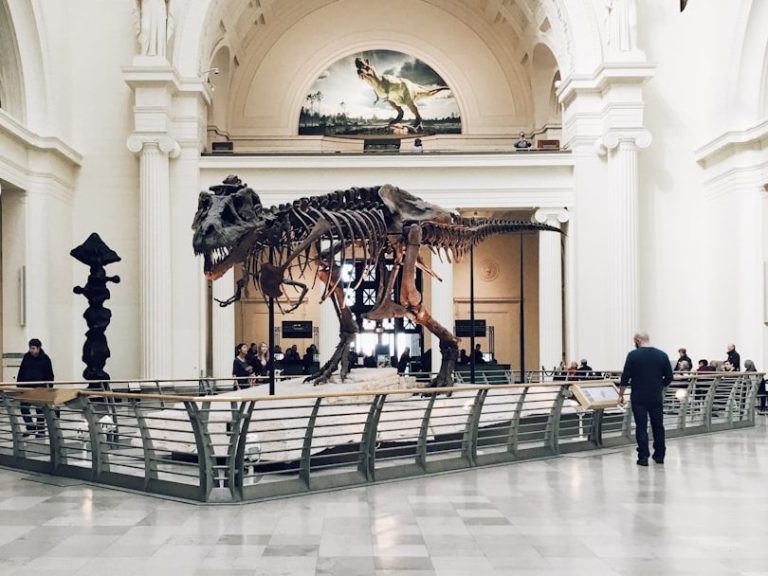
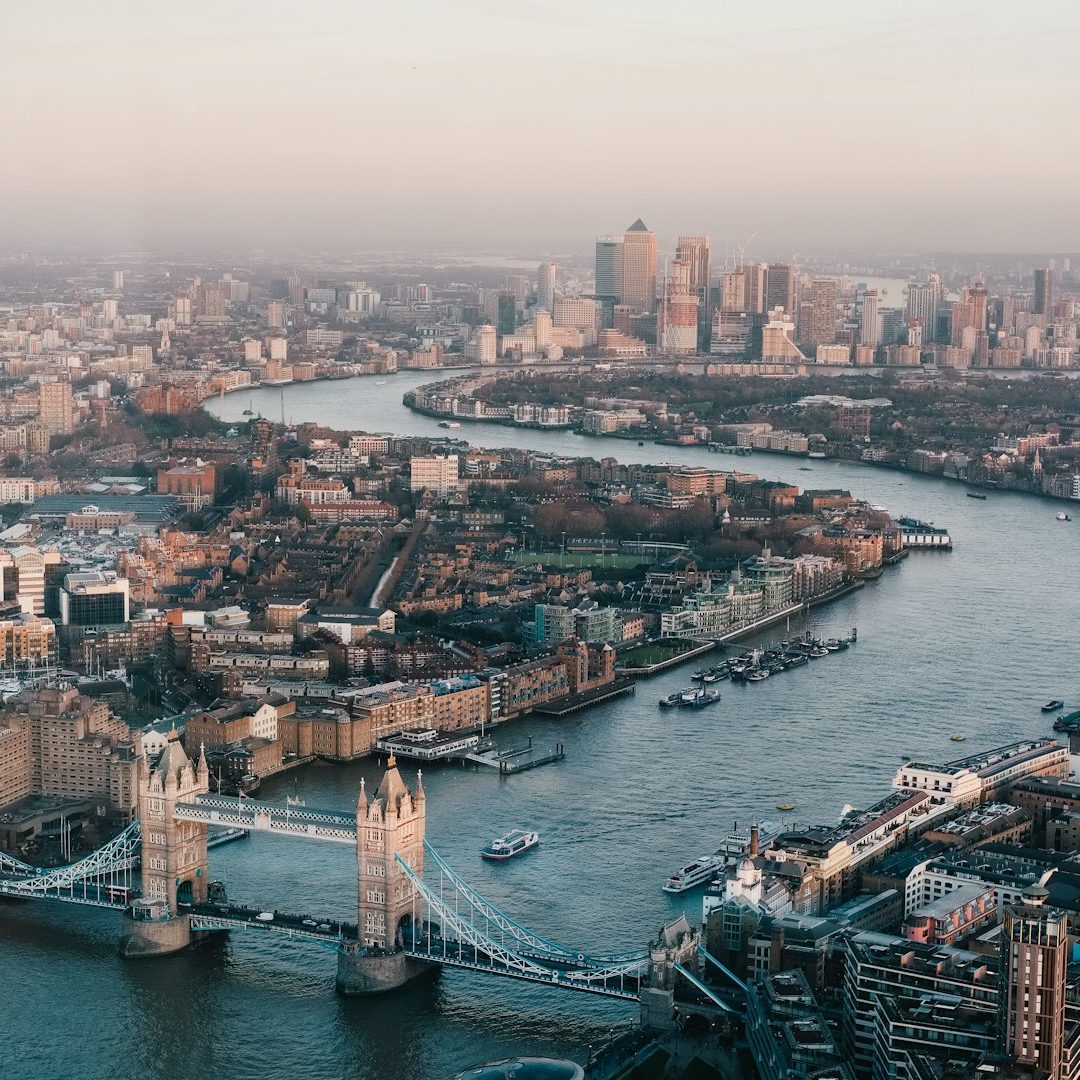
What to Do in London: A Guide to the Best Experiences in the Capital.
By Sarah Hartley, 6 June 2025.
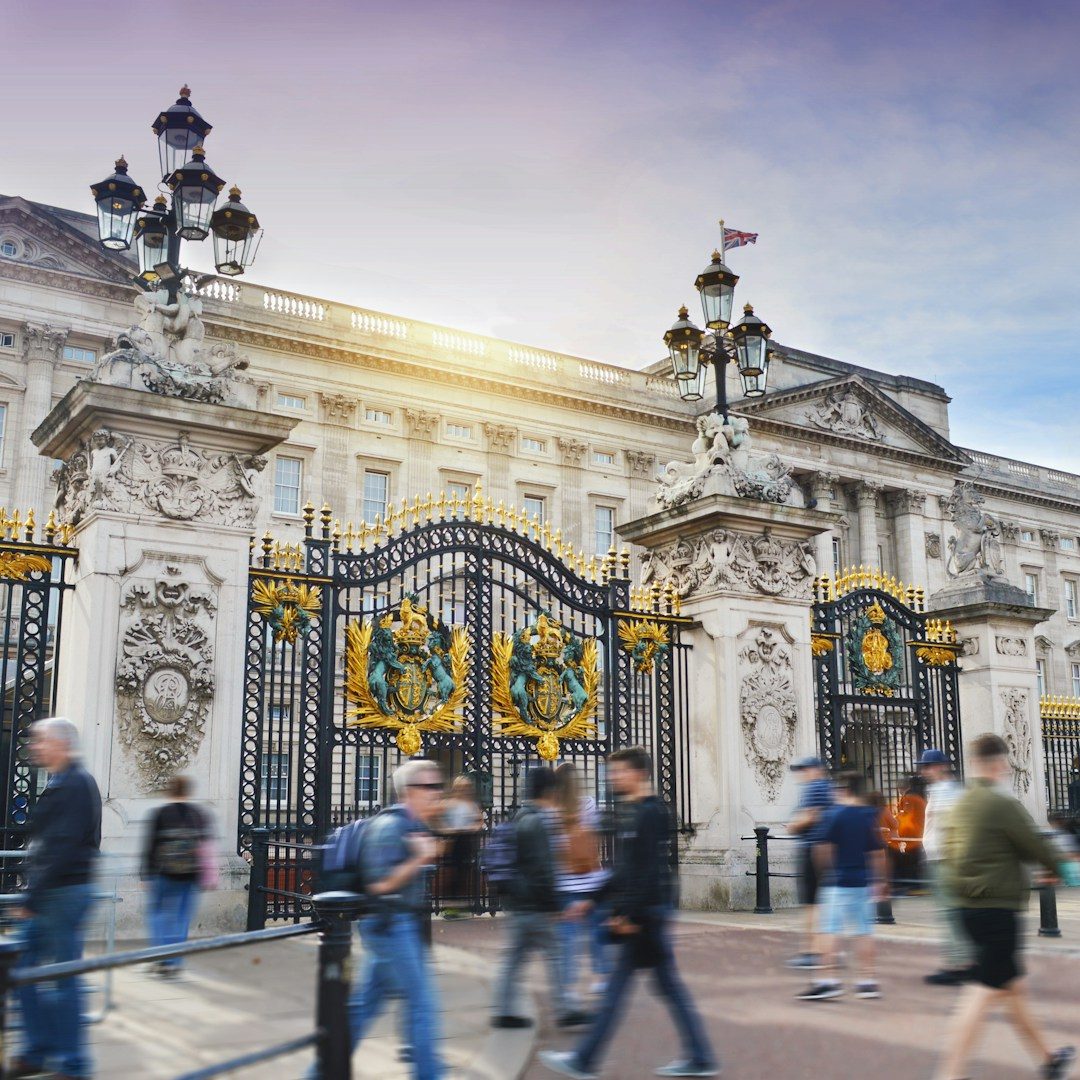
London's Famous sights 9/10
1. Start your journey with some of London’s most famous sights:
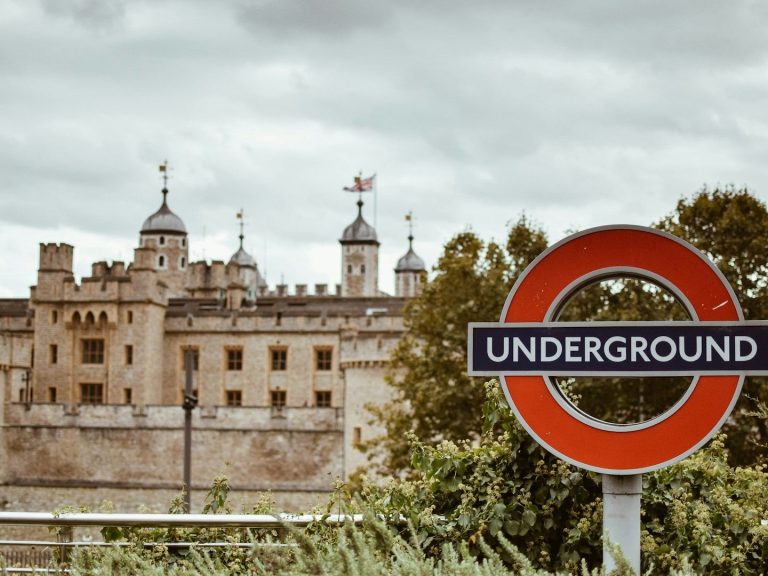
The Tower of London – Discover this historic fortress, home to the Crown Jewels and centuries of royal intrigue.
Buckingham Palace – Witness the Changing of the Guard and stroll through nearby St James's Park.
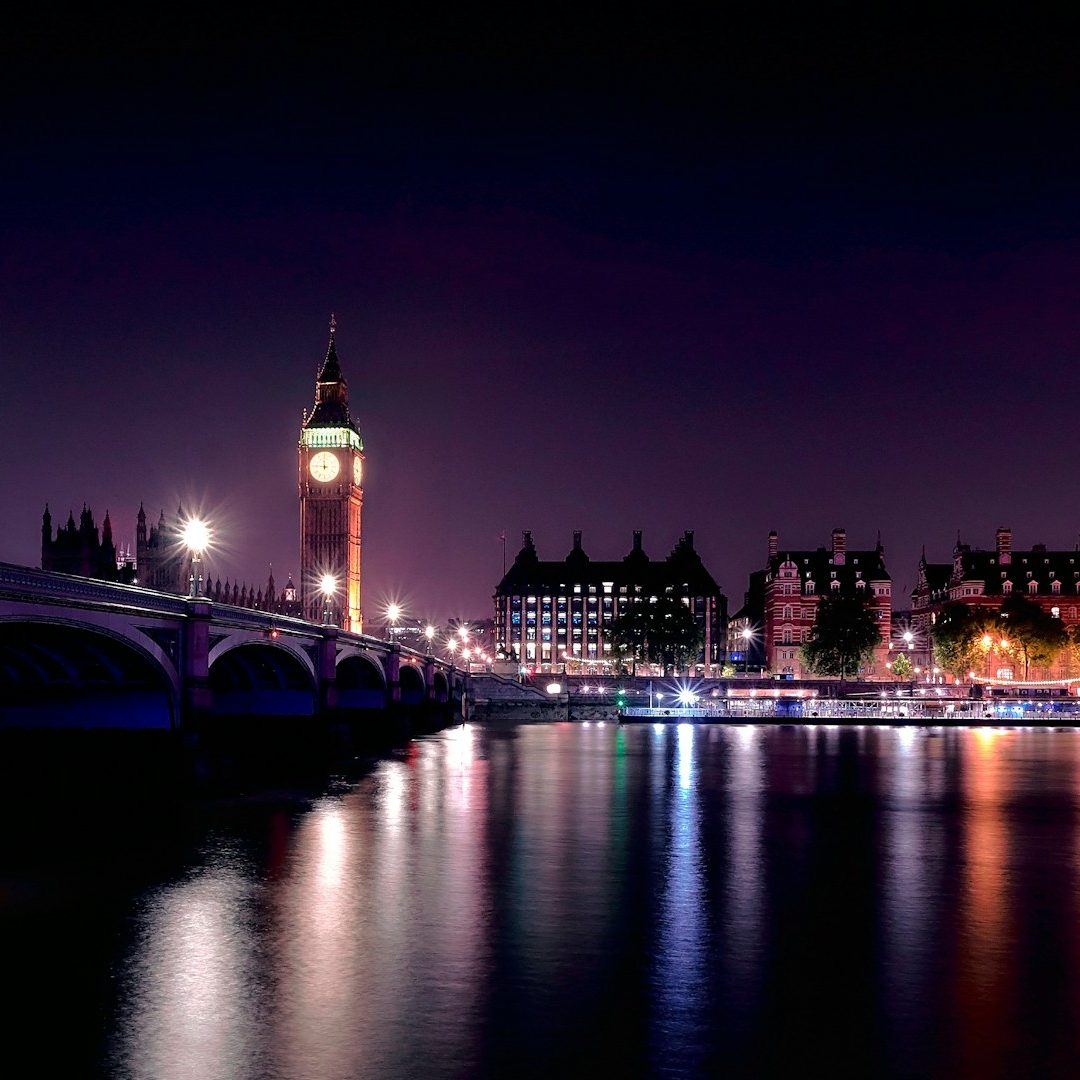
The Houses of Parliament and Big Ben – Take a photo by the River Thames and admire Westminster Abbey nearby.
The London Eye – Get panoramic views of the city from this iconic riverside observation wheel.
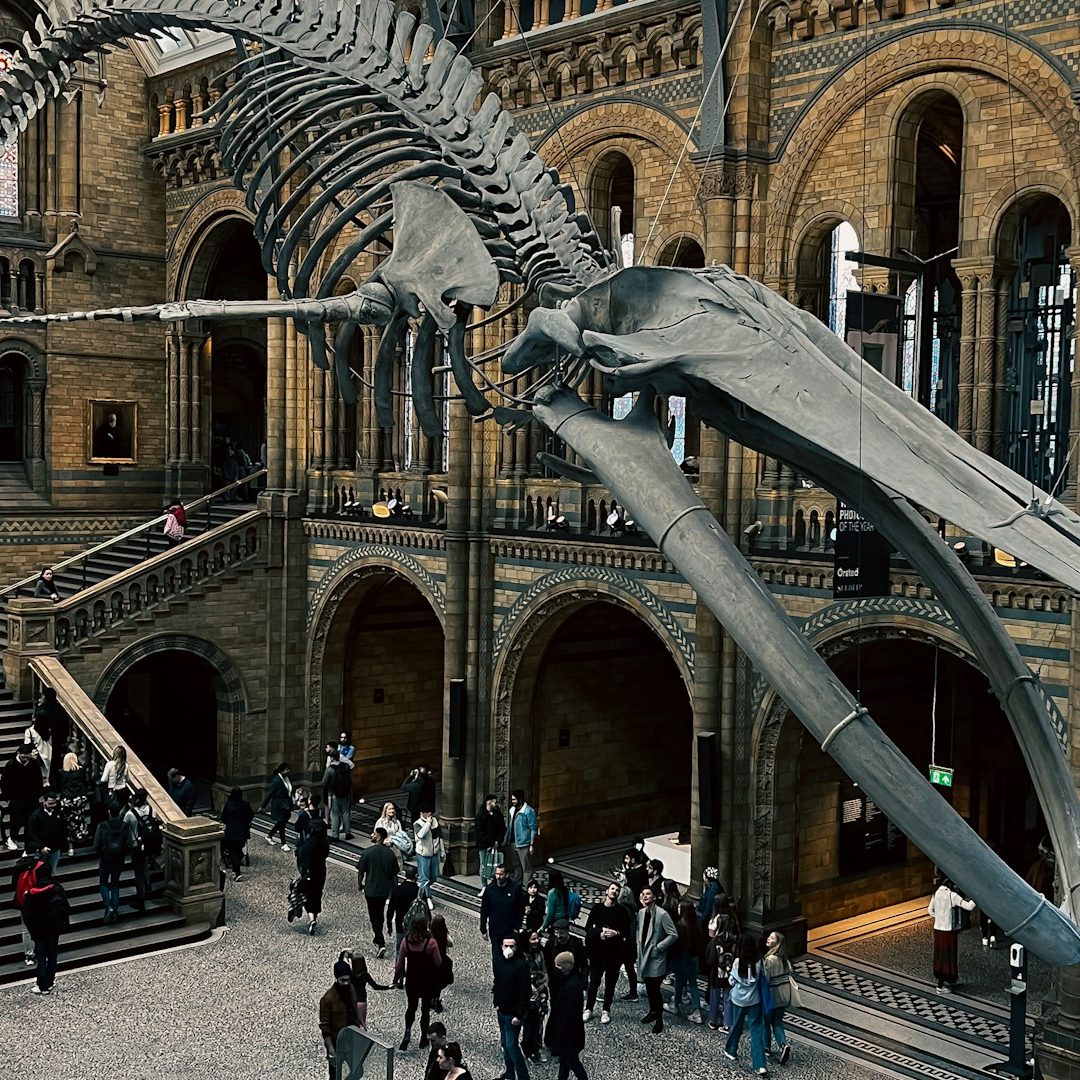
London's Museums and Galleries 8/10
2. Visit World-Class Museums and Galleries.
Many of London's best museums are free to enter:
The British Museum – Home to the Rosetta Stone, Egyptian mummies, and treasures from across the globe.
The Natural History Museum – Great for all ages, especially families, with its impressive dinosaur skeletons.
The Science Museum – Interactive exhibits and fascinating technology through the ages.
Tate Modern and Tate Britain – Explore modern and classical British art, including works by Turner, Hockney, and more.
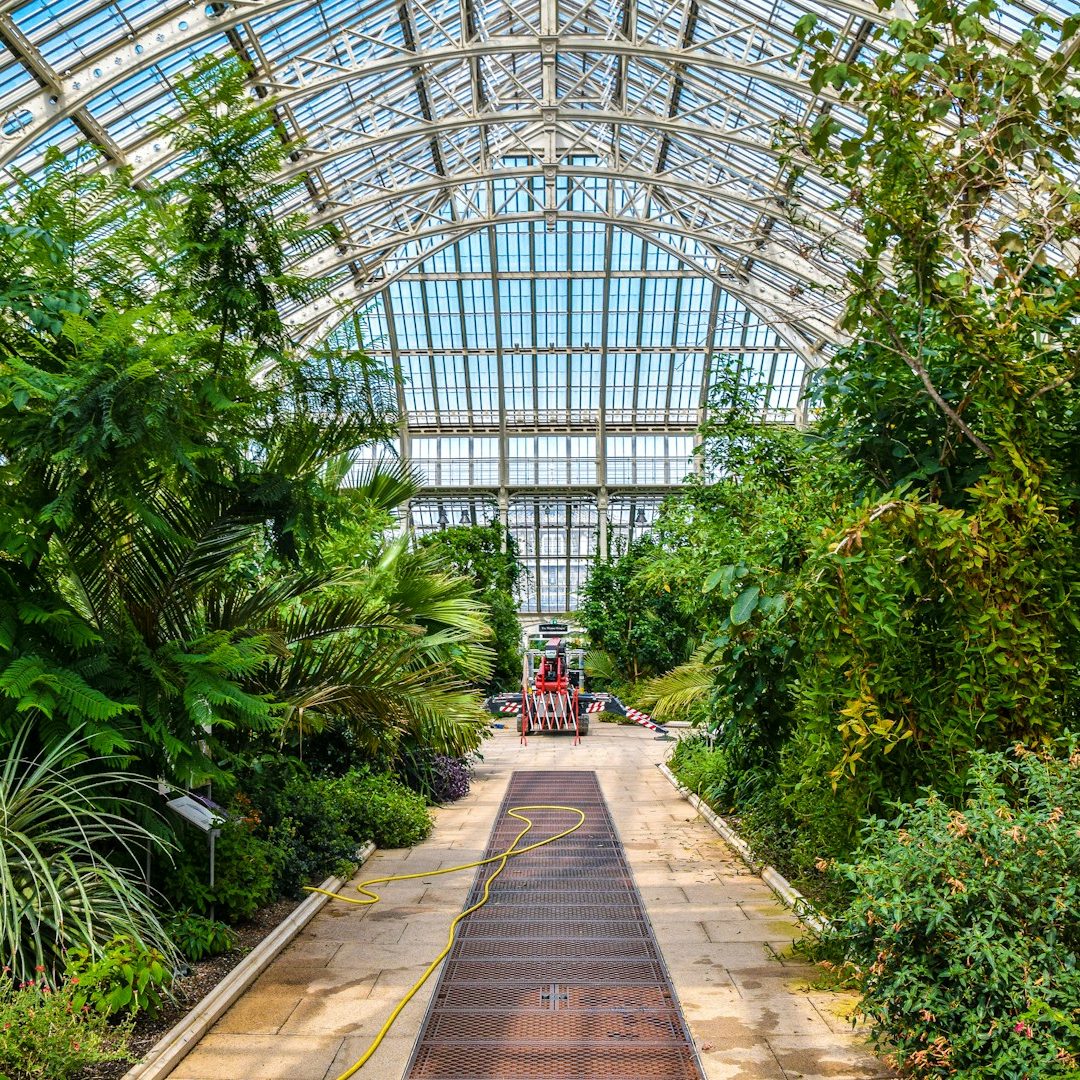
London's Parks and Gardens.
8/10.
3. Stroll Through Beautiful Parks and Gardens.
London is surprisingly green. Some highlights include:
Hyde Park – Perfect for boating on the Serpentine or lounging by the Diana Memorial Fountain.
Regent’s Park – Visit the rose gardens or London Zoo.
Kew Gardens – A UNESCO World Heritage Site with stunning botanical displays.
Hampstead Heath – Offers one of the best natural views of the London skyline from Parliament Hill.
4. Discover London’s Neighbourhoods
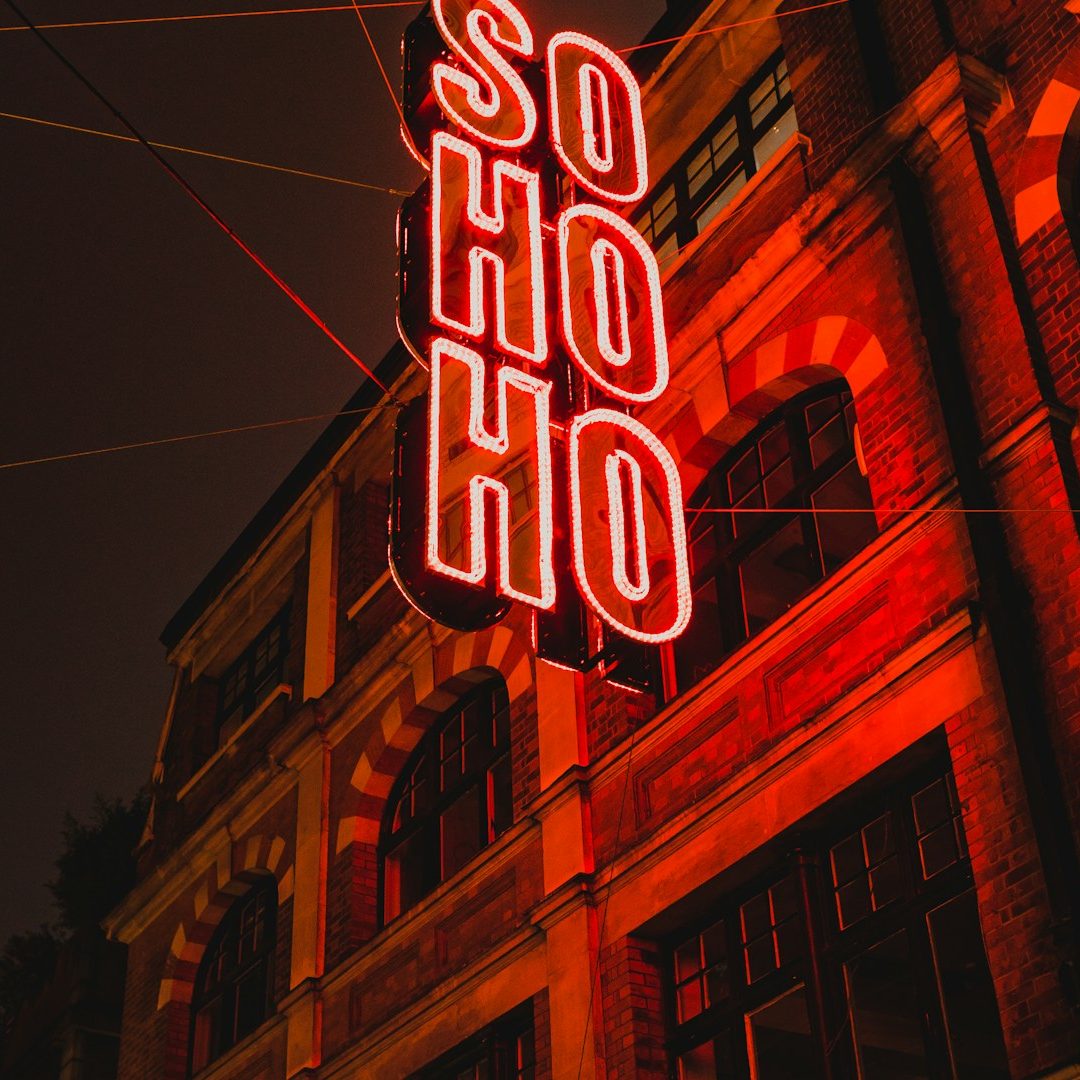
Discover London's Charms 9/10
Each part of London has its own unique charm:
Camden – Known for its alternative culture, food markets, and music scene.
Notting Hill – Famous for pastel-coloured houses, antique shops, and the Portobello Road Market.
Shoreditch – Hipster paradise with street art, nightlife, and creative start-ups.
Soho and Covent Garden – Great for shopping, street performers, and West End theatres.

Going to the theatre in London 7/10
5.Catch a Show in the West End.
No trip to London is complete without seeing a performance in the West End. From classic musicals like The Phantom of the Opera and Les Misérables to new hits like Hamilton, there’s something playing every night of the week.
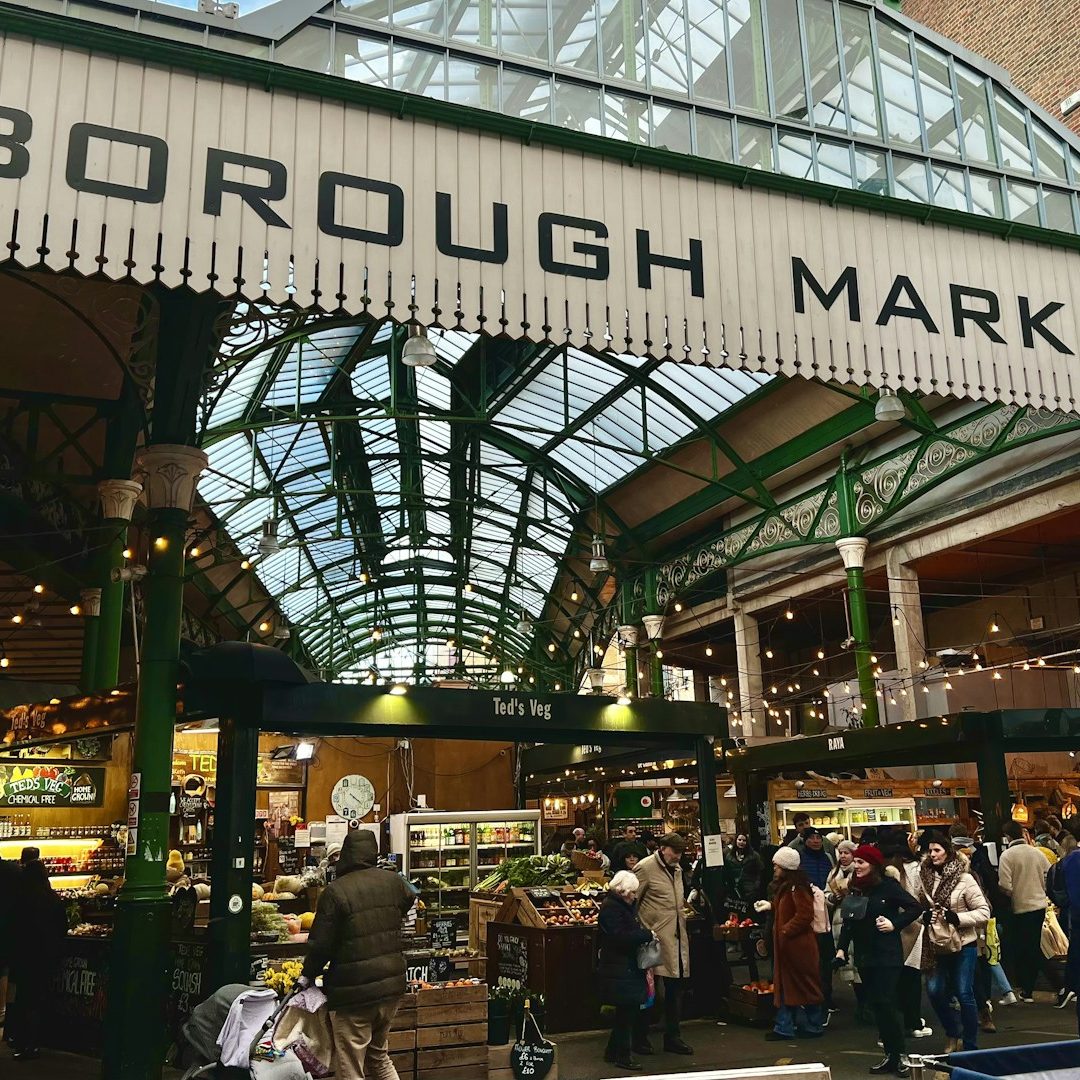
Grabbing a bite to eat in London.
7/10.
6. Eat Your Way Through the City
Borough Market – A foodie heaven with everything from fresh produce to gourmet street food.
Brick Lane – Known for its incredible curry houses and bagel shops.
Chinatown – A bustling hub for authentic Asian cuisine.
Afternoon Tea – Experience traditional English afternoon tea at places like The Ritz or Sketch.
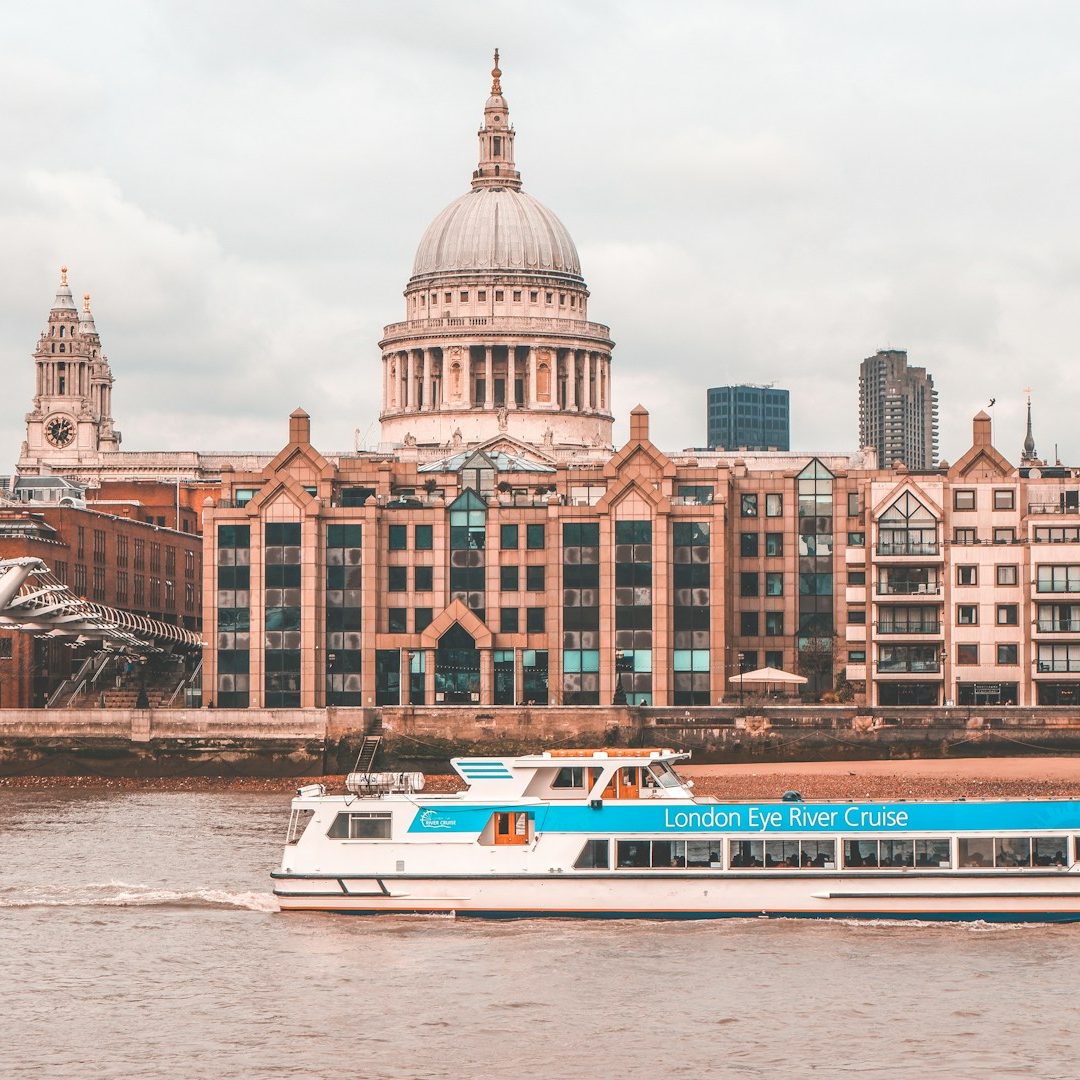
7. Take a River Cruise or Walk the Thames Path 8/10
Getting Started In Wildlife Photography: A Simple Guide for Beginners.
By Nigel Ashworth, 16 June 2025.
Step 1. Essential Kit for Wildlife Photography
Camera
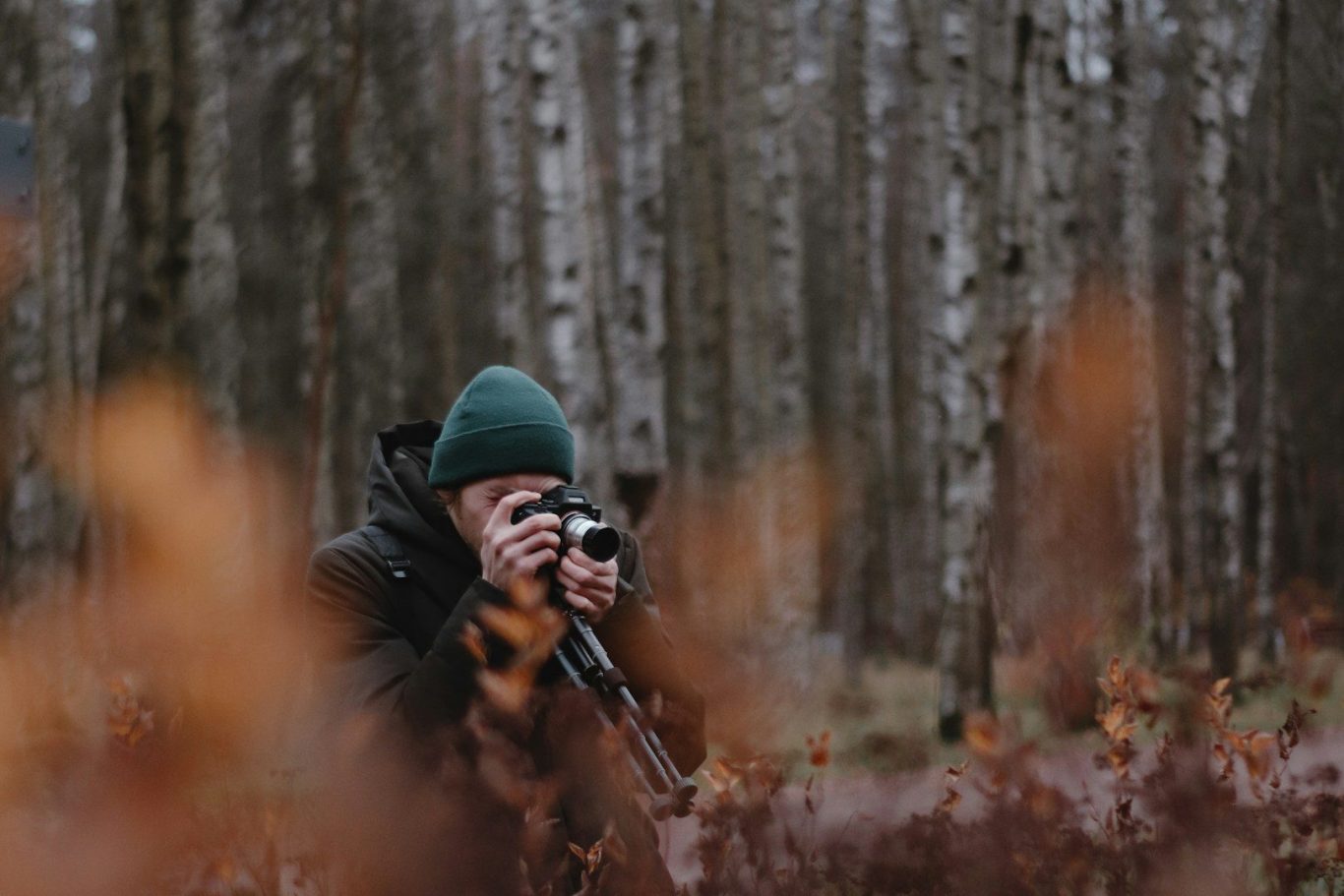
DSLR or Mirrorless Camera: These provide fast autofocus, good low-light performance, and allow for interchangeable lenses.
Bridge or Superzoom Cameras: A great entry-level option, offering long focal lengths without the need for separate lenses.
Lenses
Telephoto Lens (200mm–600mm): Essential for photographing animals from a distance without disturbing them.
Wide-Angle Lens (10mm–35mm): Useful for placing animals in their environment and telling a broader story.
Accessories
Tripod or Monopod: For stable shots, especially in low light or with heavy lenses.
Spare Batteries and Memory Cards: Wildlife moments can be unpredictable and lengthy.
Weather Protection: Rain covers and dry bags help protect your gear outdoors.
Binoculars: Useful for spotting animals before you shoot.
Accessories
Tripod or Monopod: For stable shots, especially in low light or with heavy lenses.
Spare Batteries and Memory Cards: Wildlife moments can be unpredictable and lengthy.
Weather Protection: Rain covers and dry bags help protect your gear outdoors.
Binoculars: Useful for spotting animals before you shoot.
Step 2. What settings to use.
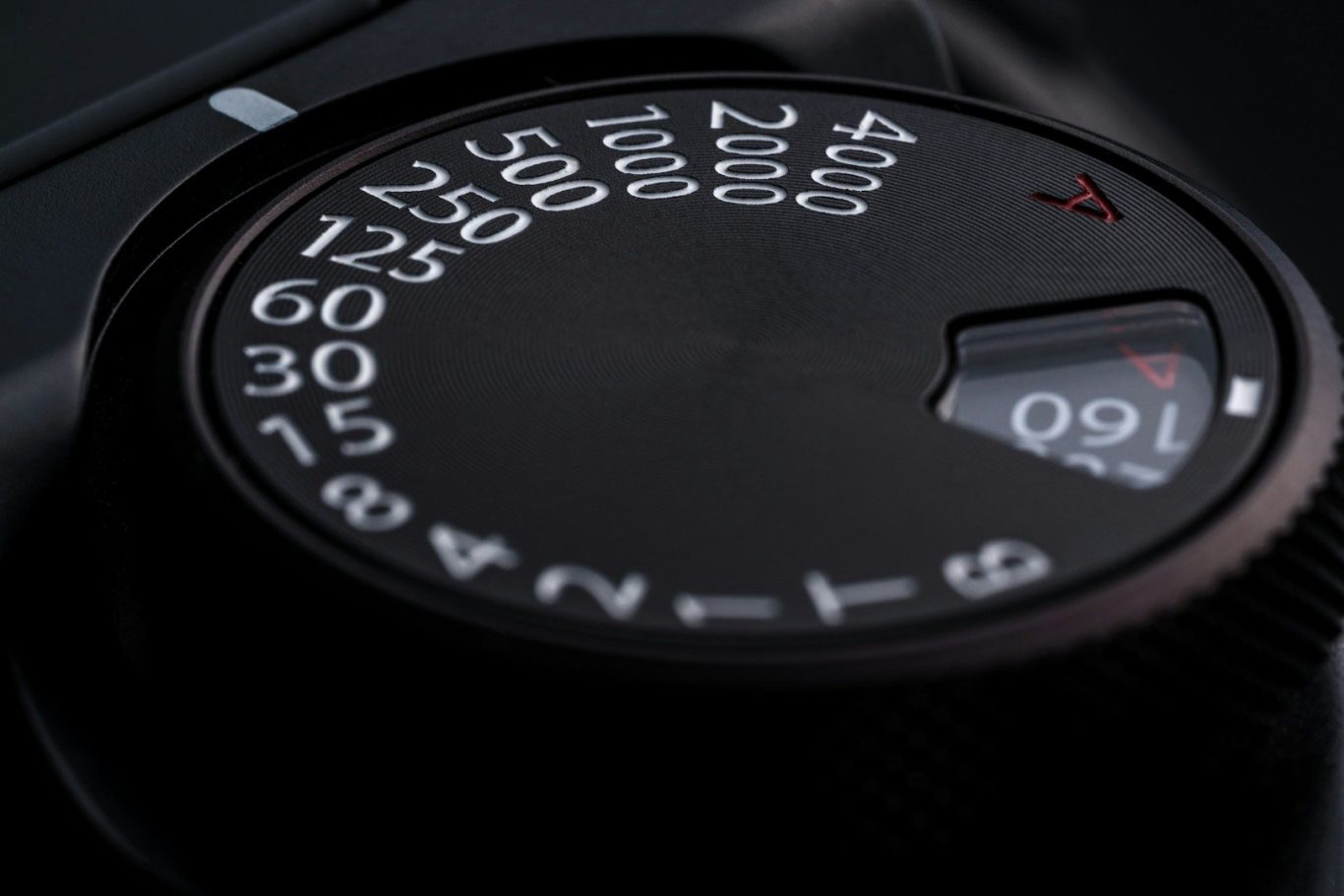
Shutter Speed: Use fast speeds (1/1000s or faster) to freeze motion, especially for birds and fast-moving mammals.
Aperture: A wide aperture (f/2.8 to f/5.6) helps blur the background and isolate your subject.
ISO: Begin around ISO 400 and adjust based on light. Be cautious of noise at higher ISO values.
Autofocus: Use continuous autofocus (AI Servo for Canon / AF-C for Nikon/Sony) to track moving animals.
Burst Mode: Enables you to take multiple shots quickly — great for capturing fleeting action.
Step 3. Where to find wildlife and the best time to shoot
Visit nature reserves, national parks, and coastal paths where wildlife is more abundant.
Learn animal habits, calls, and seasonal behaviors.
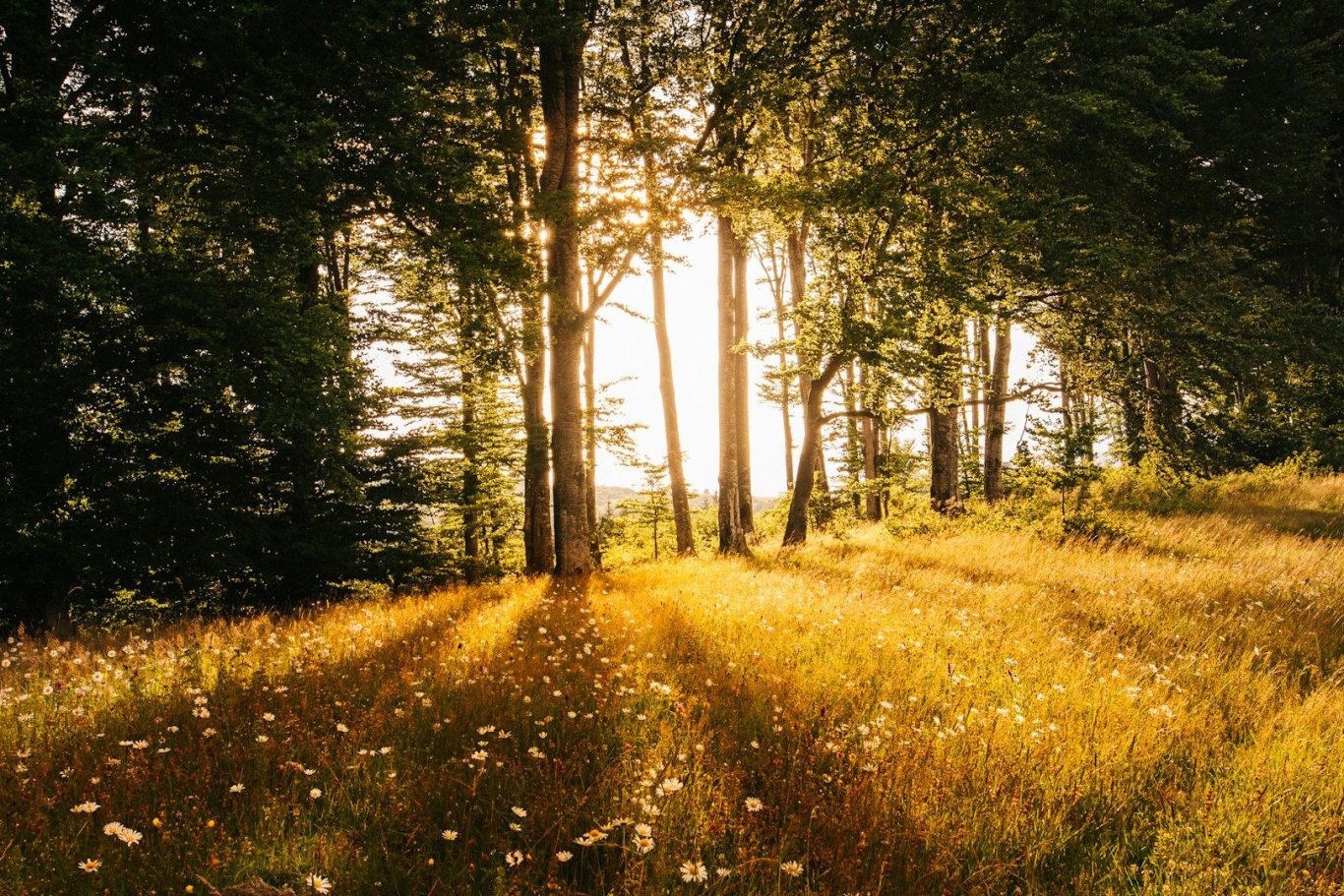
Go out during the golden hours — early morning and late afternoon — when light is best and animals are most active.
Bring a field guide or use apps to help identify and understand species.
Step 4. Do's & Don'ts of Wildlife Photography
Do:
- Stay quiet, calm, and alert.
- Blend in with your surroundings — wear neutral clothing and avoid strong scents.
- Use a zoom lens rather than approaching animals.
- Follow local rules, guidelines, and wildlife codes of conduct.
Don’t:
- Disturb, chase, or feed animals.
- Use flash on sensitive or nocturnal creatures.
- Trespass on private or protected land.
- Leave any trace behind — take all rubbish with you.
Ethical wildlife photography ensures the safety and wellbeing of the animals and preserves their environment for future generations.
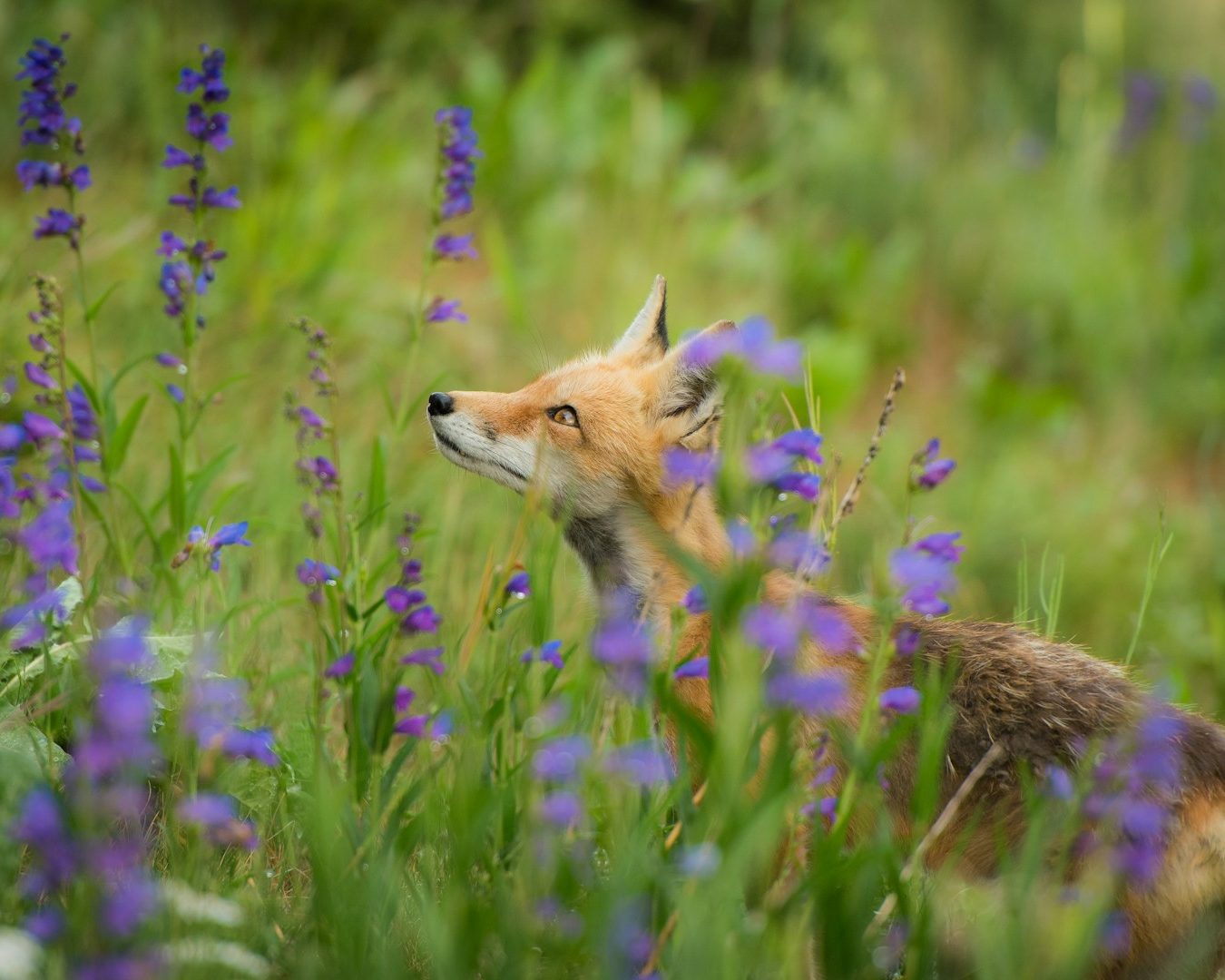
Step 5. Consider Composition
Top tips for composition.
Focus on the eyes — a sharp eye adds life and impact to a photo.
Use the rule of thirds to create balanced, interesting compositions.
Simplify the background by using wide apertures or changing your position.
Tell a story — look for action, interaction, or behavior that gives insight into the animal's life.
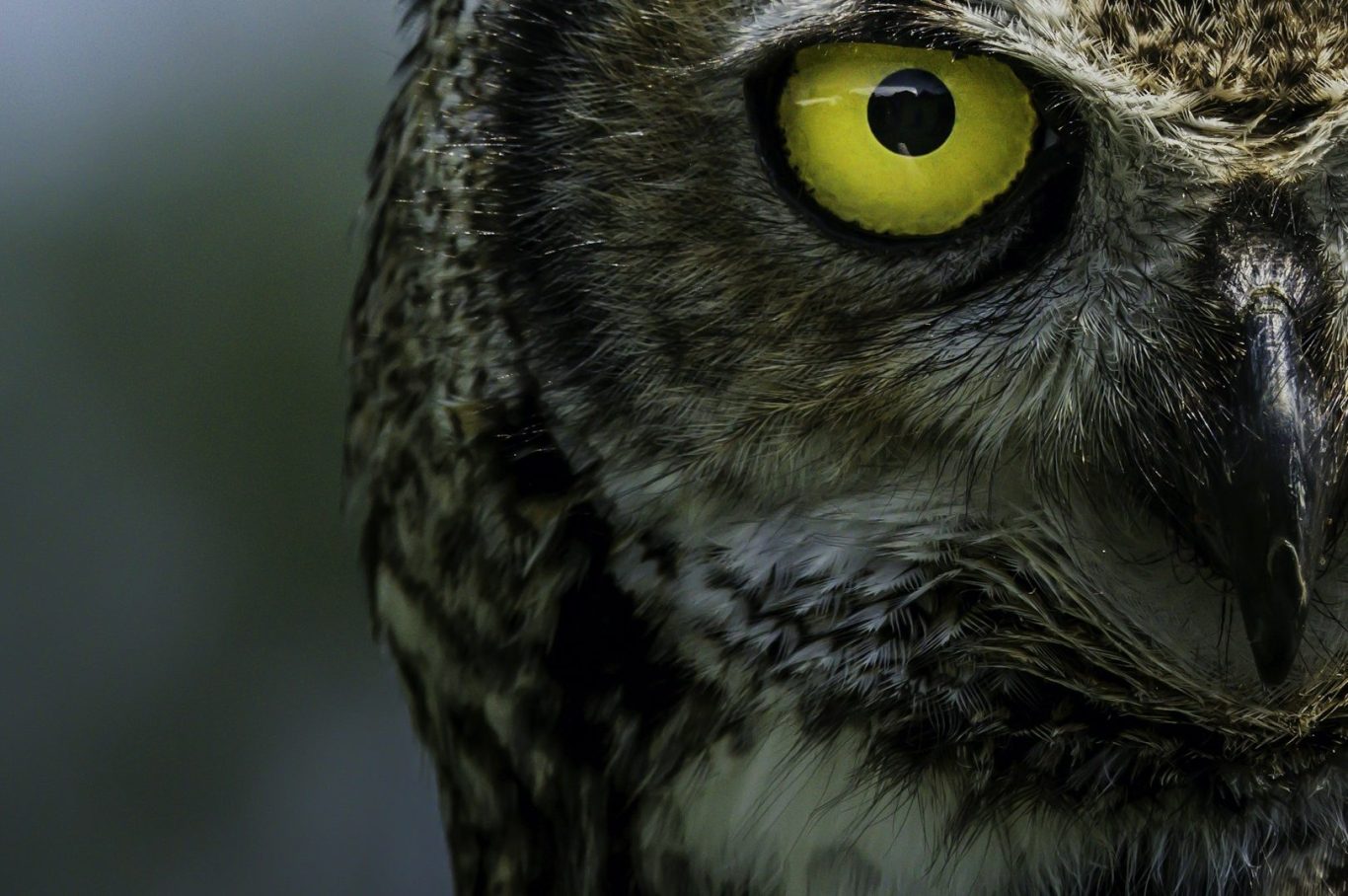
Step 6. Edit your photos and get them out there.
Top tips.
- Use software like Lightroom, Photoshop, or Darktable to adjust exposure, contrast, cropping, and clarity.
- Avoid over-editing — retain the natural feel of the scene.
- When sharing online, include species names, location (if safe to do so), and context to educate others.
- Avoid sharing locations of endangered or sensitive species.

Step 7. Keep getting better.
Top Tips:
- Study wildlife behavior through books, documentaries, and fieldwork.
- Follow experienced photographers to learn new techniques and styles.
- Join photography or wildlife groups, both local and online, to gain feedback and encouragement.
- Practice regularly — even your local park or garden can offer valuable experience.