How to photograph Killer Whales In Shetland
By Nigel Ashworth, 20th June 2025.
One of my most cherished memories is visiting the Shetlands Islands over five years ago now in search of the Oraca's there. I look forward to returning in the near future. However, there are many things I would do differently. Therefore, so you can learn from my mistakes I've produced a simple guide to help you if you plan on visiting Shetland to photograph these magnificent creatures.
Photographing killer whales on the Shetland Islands is one of the most special and rewarding wildlife experiences I've had in my life. With the right amount of preparation, ethical approach, and a bit of luck, you’ll not only walk away with striking images but also wonderful memories of a unique encounter with one of nature’s most intelligent predators in a stunning, remote setting.
The Shetland Islands, located at the northern tip of Scotland, are a must visit location for wildlife photographers. Among the most awe-inspiring subjects found in these remote waters are killer whales (Orcinus orca). Capturing these awe inspiring marine mammals on camera requires patience, respect, and preparation. Besides, its not all about the Orca, the Islands are host to other fantastic wildlife like seals, puffins and other seas birds. Here’s how to make the most of your Orca photography adventure on the Shetland Islands.
About Orcas
Orcas (Orcinus Orca) are cetaceans, this essentially means they are toothed whales. Orcas live in groups known as pods, these pods vary in size and are typically headed by a female matriarch. The adult males are bulls and the females are cows - the little ones are known as calves. Orca pods are either 'resident' or 'transient' in that they either stay around a specific geographic area or they travel quite extensively. No two pods are the same. For example, in Shetland there is a 'Northern Isles' community of Orca which the evidence suggests may spend winter in icelandic waters and summer months around Shetland.
Shetland Orcas
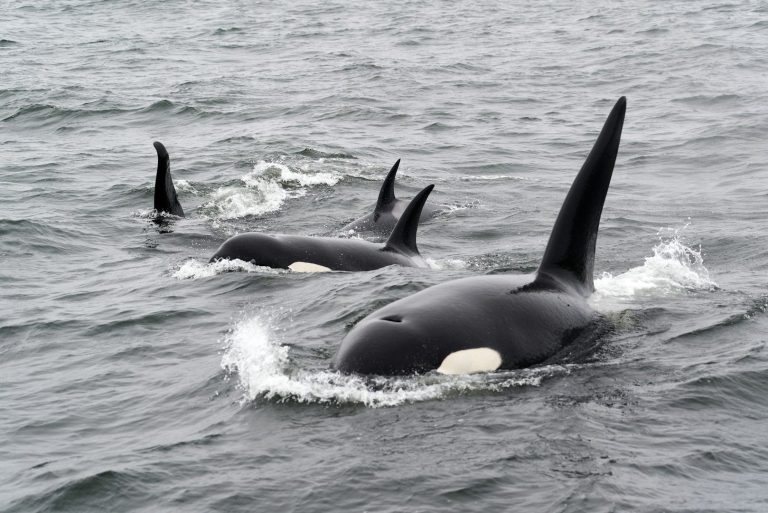
Shetland is home to a number of Orca pods, the 64s, 27s and 65s are regularly sighted by visitors and residents of the islands. There is also the Northern Isles pod that get their name due to the fact they are usually sighted around the North of Scotland and the Northern Isles of Shetland and Orkney.
When to Go?
Killer whales can be spotted around the Shetland Islands year-round, but sightings peak in late spring through summer (May to August). During this period, orcas are often spotted close to shore, hunting seals and navigating the dramatic coastlines.
Where to spot them?
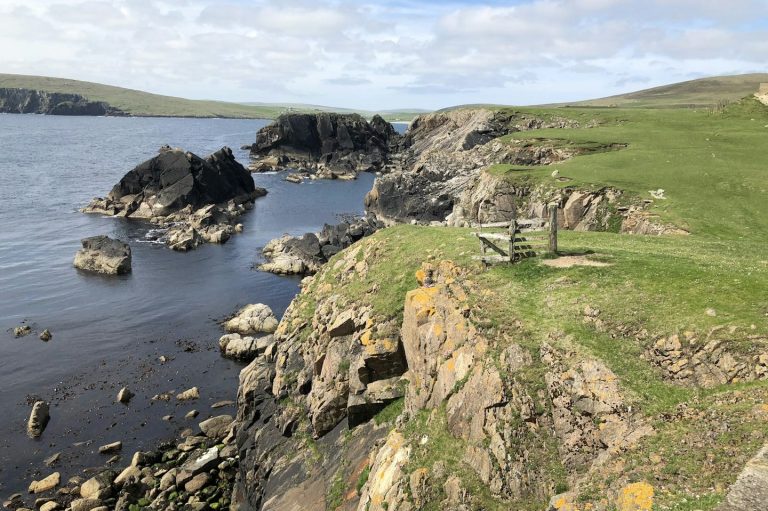
The Shetland Islands consist of over 100 islands, but some key places consistently delivering the best chances for orca sightings:
- Muckle Roe and Eshaness (North Mainland): Known for dramatic cliffs and frequent orca activity.
- Hermaness Nature Reserve (Unst): Offers a high vantage point and stunning views, ideal for spotting pods offshore.
- Sumburgh Head (South Mainland): Easily accessible and often visited by transient orcas.
- Yell Sound Ferry and Bluemull Sound: Excellent places to spot orcas from ferries or coastal headlands.
Top tip: When acting on a sighting it is advisable to try and get ahead of the sighting as once the pod is moving in one direction they'll typically stay on that course.
The importance of respect
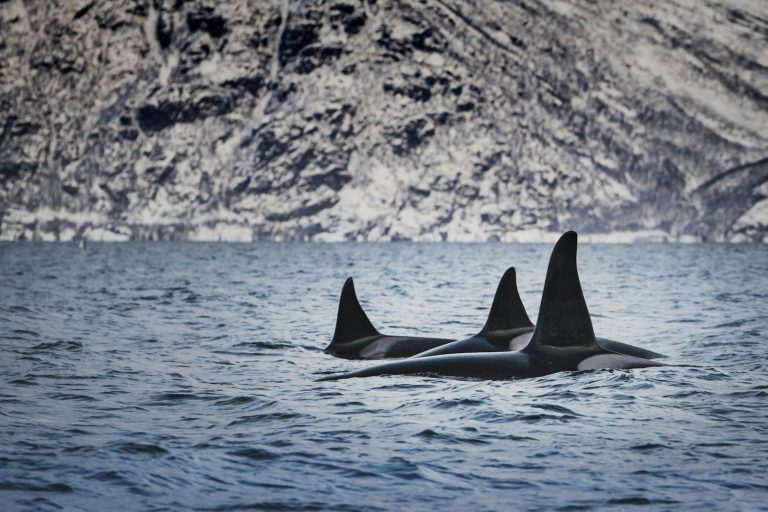
Orcas are protected under UK wildlife legislation. It is illegal to harass or intentionally disturb them. Follow the Scottish Marine Wildlife Watching Code which emphasizes keeping a respectful distance, avoiding sudden movements or noise, and not getting in their way.
Kit for Orca Photography
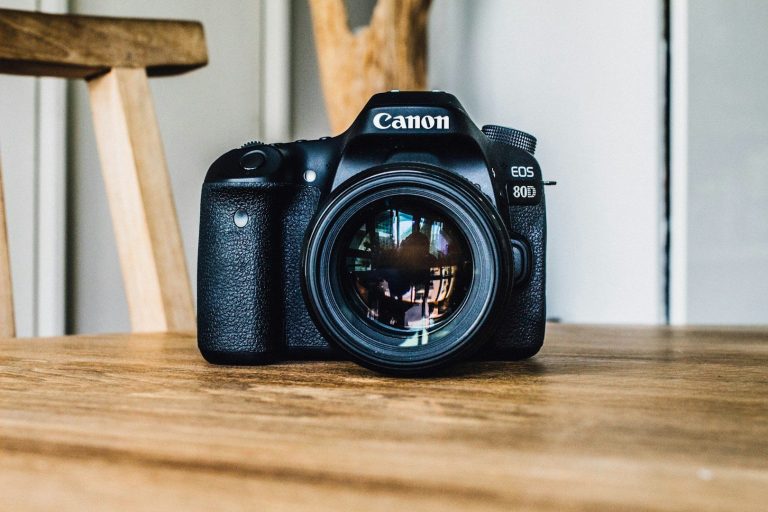
Camera: A DSLR or mirrorless camera with a fast autofocus system.
Lenses: A telephoto lens (300mm–600mm) is essential for photographing orcas from land. If shooting from a boat, a 70–200mm may be more practical.
Tripod or Monopod: Useful for stability during long waits on windy cliffs. It may be worthwhile bringing a beanbag as well.
Weather Protection: Waterproof camera covers, lens hoods, and cleaning cloths are a must in the often unpredictable Shetland weather.

How to find them?
The two ways you'll spot Oraca and photograph them are either on land or on a boat. Doing so on land is by far safer, less intrusive, and more predictable. Furthermore, clifftops and high headlands give a great vantage point.
There are no specific Shetland based boat trips to see Orca. However, you should always be ready for an encounter on the ferry or on a wildlife trip to one of the islands.
The Shetland orca community is active and supportive. Facebook groups provide real-time updates on sightings. Locals often post pod locations, movement directions, and photos, which can help you get in position.You really have to join the various facebook groups that post daily where and when they've seen orcas. You too can do the same if you're the first to spot them and make sure your facebook notifications setting is set to 'on' so you get pinged when they're spotted and someone posts.
Photography Tips
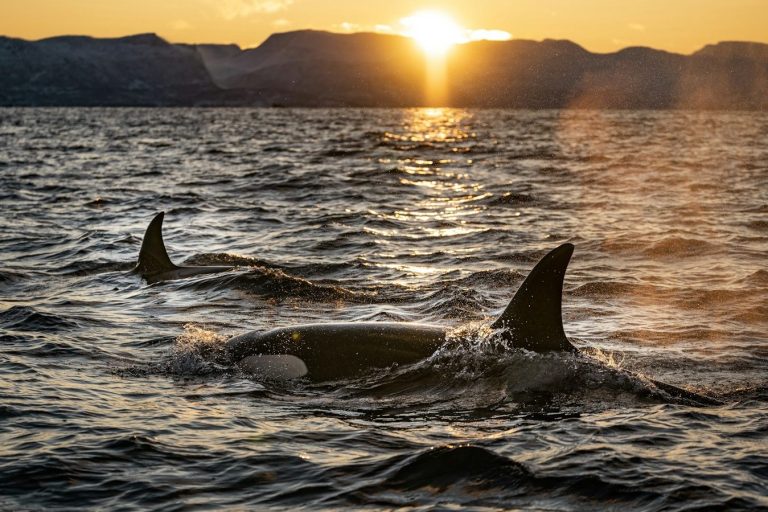
Watch the Light: Early morning and late afternoon offer soft, golden light—perfect for dramatic seascapes and orca silhouettes.
Track Movement: Orcas often travel parallel to shorelines. Anticipate their direction and position yourself ahead.
Focus on Behaviour: Try to capture more than just dorsal fins. Look for spy-hopping, breaching, or social behaviors that tell a story.
Use Manual Settings: Fast shutter speeds (1/1000 sec or faster) are essential to freeze motion. Use burst mode to increase your chances of nailing the shot.
Patience is a virtue
Orca photography in Shetland is often a waiting game. Bring warm clothing, snacks, and patience. The reward of seeing a pod emerge from misty waves makes it all worthwhile.
Keep an eye on the weather forecast.
Weather in Shetland changes rapidly. Use local apps like Windy, XCWeather, or Magic Seaweed to track conditions, visibility, and sea state. Overcast skies can create a dramatic backdrop, while calm seas make spotting fins easier.
Tell a Story
Beyond the technical shot, try to create a narrative. Include the rugged Shetland coastline, local birdlife, or human elements like lighthouses or fishing boats in your frame to give context and depth to your images.